



23 Feb Hosting Creative Workshops in London
London has always been a city driven by creativity. From immersive experiences to business storytelling workshops, there’s a growing appetite for experiences that bring people together to create, learn and connect.
If you’re planning to host a creative workshop in London, the venue you choose plays a bigger role than you might think. Beyond location and capacity, facilitators need a space that enhances focus, inspires creativity and supports the practicalities of delivering a smooth session.
Here’s what to consider before booking your next workshop space.
1. Natural Light, Acoustics & Atmosphere
Creative thinking requires psychological comfort. Participants need to feel relaxed enough to share ideas, experiment and potentially make mistakes in front of others.
Natural light plays a significant role in focus and energy levels. Research consistently shows that well-lit spaces improve concentration and reduce fatigue, particularly important for half-day or full-day workshops. For visual arts, photography, or detailed craft sessions, balanced daylight also ensures colour accuracy and reduces eye strain.
Beyond lighting, acoustics matter. High ceilings and hard surfaces can cause echo, making group discussions tiring. Conversely, rooms with soft furnishings and considered design help conversations flow more naturally.
The atmosphere should feel:
- Welcoming but professional
- Neutral enough to adapt to your branding
- Calm, not chaotic
- Inspiring without being visually overwhelming
A thoughtfully designed space reduces friction. When participants feel comfortable, they engage more openly.
2. Flexible Layouts & Spatial Flow
Creative workshops are rarely static. They often shift between listening, discussion, independent work and collaboration.
Before booking, consider how your session will move throughout the day:
- Will participants need to rotate between stations?
- Will they break into small groups?
- Will there be moments of presentation and critique?
A venue that allows for layout flexibility is crucial. Cabaret-style tables encourage small group discussion. A U-shape works well for open dialogue. Theatre-style may suit keynote-style teaching segments but can limit interaction.
Also think about flow and movement:
- Is there enough space for facilitators to circulate and give feedback?
- Can materials be distributed easily?
- Is there storage for supplies?
For hands-on workshops (art, design, crafting), table size and durability matter. For writing or reflective sessions, spacing and comfort take priority. The physical environment should support the rhythm of your workshop, not restrict it.
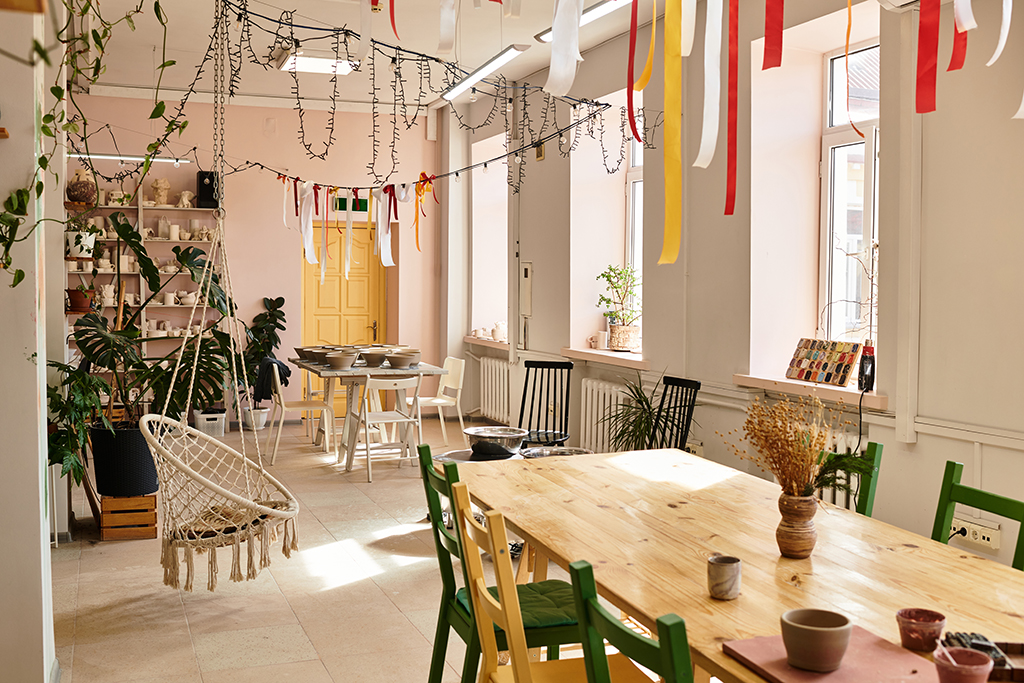
Adequate venue space not only ensures practical comfort but also gives participants the freedom to think expansively, move naturally and fully immerse themselves in the creative process without feeling confined or distracted. Photo by LightFieldStudios.
3. Technical Infrastructure & Reliability
Even creative sessions often rely on technology.
You may need:
- A screen for slides or mood boards
- Audio for music, film clips or guided exercises
- Recording equipment for content capture
- Charging points for laptops and devices
Strong Wi-Fi is particularly important for hybrid elements, live research tasks or social media promotion during the event.
But infrastructure alone isn’t enough. Reliability and support are key.
Ask:
- Is there an on-site team available?
- Who troubleshoots if something fails?
- Can you test equipment beforehand?
Technical disruptions break momentum. A supportive venue team allows you to focus on facilitation rather than logistics.
4. Location, Accessibility & Attendance Psychology
London offers countless venue options, but accessibility directly affects attendance rates.
Participants are more likely to commit when:
- The venue is close to major transport links
- Travel routes are straightforward
- The area feels safe and well-lit for evening sessions
Central locations often reduce late arrivals and no-shows, particularly for after-work workshops.
Accessibility goes beyond transport:
- Step-free access
- Accessible toilets
- Clear wayfinding
- Reception support
These considerations aren’t just practical, they signal inclusivity. When attendees feel considered, they feel valued.
5. Catering as Part of the Experience
Creative energy requires fuel. But catering is about more than sustenance. It shapes the social dynamic of your workshop.
Morning sessions benefit from:
- Quality coffee and tea
- Light pastries or fruit
Full-day sessions may require:
- Buffet-style lunches to maintain momentum
- Flexible timing to avoid breaking creative flow
Evening workshops can incorporate:
- Sharing boards
- Light bites
- Drinks packages to encourage networking
Breaks are often where connections deepen. Providing refreshments creates informal space for collaboration and conversation. It also enhances perceived value. Attendees feel cared for.
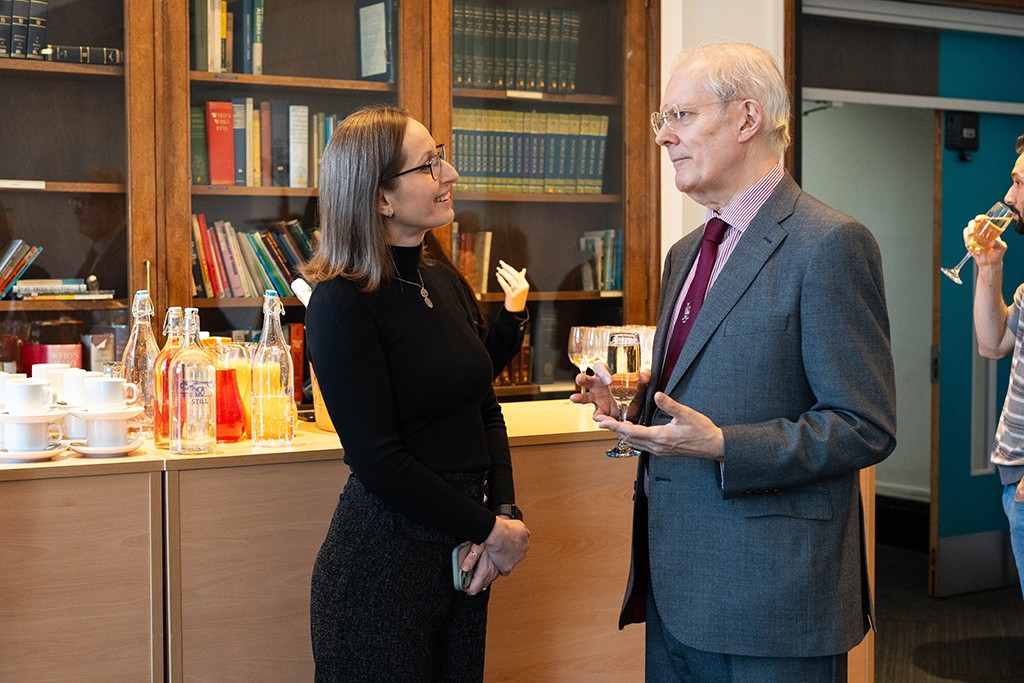
Shared drink refreshments naturally encourage conversation by helping participants relax, connect and continue creative discussions in a more informal and social setting.
6. Logistics: Timing, Access & Practical Details
The unseen logistics often determine success.
Before confirming your venue, clarify:
- Access times for setup and pack-down
- Storage for materials
- Waste disposal (particularly for art-based sessions)
- Cleaning support
- Insurance requirements
If your workshop involves paint, clay, food, or specialist materials, confirm any restrictions in advance.
Consider build-in buffers:
- Setup time before guest arrival
- Transition time between activities
- Flexibility if sessions overrun
A smooth logistical framework reduces stress for both facilitator and participants.
7. Aligning with Community & Values
Creative workshops are often about more than skill-building. They’re about shared experience.
Many facilitators today prioritise venues that:
- Support community initiatives
- Encourage cultural exchange
- Welcome diverse audiences
- Foster a sense of belonging
Your venue can influence how your event is perceived. A space with a clear ethos around inclusivity and collaboration naturally enhances creative programming.
In a city as globally connected as London, participants often seek environments that feel open, safe and culturally aware.
8. Future Growth & Repeat Potential
If your workshop is part of a series, scalability matters.
Ask yourself:
- Can the space accommodate growth in numbers?
- Is there potential for multi-room hire if your programme expands?
- Can the venue support varied formats over time?
Building a relationship with a venue that understands your audience allows you to refine and grow your offering.

Hosting a creative workshop for team building in London offers organisations a dynamic way to strengthen communication, spark fresh thinking and build stronger relationships outside the traditional office environment. Photo by monkeybusiness.
Hosting a creative workshop in London is an opportunity to contribute to one of the world’s most dynamic cultural landscapes. But creativity doesn’t thrive by accident. Creativity flourishes in environments that are designed to support it.
By considering atmosphere, layout, technical infrastructure, accessibility, catering and logistical detail, facilitators can create workshops that feel seamless, professional and inspiring.
When the space works with you, not against you, your focus can remain where it belongs: guiding creativity, building connection and delivering meaningful experiences.
Have you also read these articles?
The Future of Inclusive Events in London
The Right Setup for the Right Occasion: A Venue Room Guide