



23 Jul Hosting International Delegates
Hosting an international event brings together people from different countries, cultures and professional backgrounds. It is an opportunity to share ideas, build connections and create meaningful partnerships. But successfully welcoming international delegates requires thoughtful planning.
From accessibility and communication to food, travel and cultural awareness, there are several important factors event organisers should consider when planning an event for a global audience.
1. Make the Venue Easy to Access
For international delegates, the journey to and from an event can be just as important as the event itself. A central, well-connected venue can make a significant difference, particularly for attendees unfamiliar with the city.
Consider how easy the venue is to reach from airports, train stations and major transport links. Clear travel information, directions and local guidance can help delegates feel more confident before they even arrive.
A central London venue also gives international visitors the opportunity to explore the city around their event, helping to make their overall experience more memorable.

Accessibility begins with location—choosing a central London venue with excellent transport links makes it easier for delegates from across the UK and around the world to attend with confidence. Photo by isitophotostock.
2. Consider Different Communication Needs
International events often bring together delegates who speak different first languages. While English may be the working language, it is important to consider how information is shared and understood.
Event organisers should think about:
- Providing clear and concise event information
- Avoiding unnecessary jargon or culturally specific expressions
- Using accessible signage throughout the venue
- Sharing key information in advance
- Considering translation or interpretation services where appropriate
A clear event programme, easy-to-follow signage and well-briefed staff can help ensure that every delegate feels included and informed.
3. Create a Welcoming Environment
First impressions matter. International delegates may be arriving in an unfamiliar city, often after a long journey, so creating a warm and welcoming environment can have a lasting impact.
Small details can make a significant difference. Friendly and approachable staff, clear registration processes and comfortable spaces can help attendees feel at ease from the moment they arrive.
A venue should feel professional without feeling impersonal. Spaces that allow delegates to relax, connect and have informal conversations can be particularly valuable during international events.
4. Be Thoughtful About Food and Dietary Requirements
Food is an important part of any event, and international delegates may have a wide range of dietary, cultural and religious requirements.
When planning catering, consider:
- Vegetarian and vegan options
- Allergies and intolerances
- Religious dietary requirements
- Cultural preferences
- Clear labelling of dishes and ingredients
It is also important to collect dietary information during the registration process and communicate requirements clearly with the catering team well in advance.
Thoughtful catering does more than meet practical needs. It helps demonstrate that every attendee has been considered as an individual.

Clearly labelling food helps delegates make informed choices, supporting dietary requirements, allergies, and cultural or religious preferences with confidence.
5. Understand Cultural Differences
International events bring together people with different cultural expectations around communication, networking and professional etiquette.
Event organisers do not need to anticipate every possible cultural difference, but awareness and flexibility are important. For example, expectations around punctuality, greetings, personal space, conversation and networking styles can vary significantly between cultures.
Creating an environment that encourages respect, curiosity and openness can help delegates feel more comfortable interacting with people from different backgrounds.
6. Think About Time Zones and Scheduling
If delegates are travelling internationally, the impact of different time zones and long journeys should not be overlooked.
A packed schedule immediately after arrival may be challenging for attendees dealing with jet lag. Where possible, organisers should consider building in breaks and allowing time for delegates to adjust.
The timing of the event itself can also affect international participation, particularly when some delegates are joining virtually from different parts of the world. Hybrid events require careful consideration of time zones to ensure that remote attendees are not unintentionally excluded.

Hybrid meetings enable organisations to connect in-person and virtual audiences, making events more accessible, flexible and inclusive for delegates worldwide. Photo by DC_Studio.
7. Provide the Right Technology and AV Support
International events often rely on technology to connect people across borders. From presentations and video conferencing to live interpretation and hybrid participation, reliable audio-visual equipment is essential.
A venue with appropriate AV capabilities and dedicated technical support can help event organisers manage the unexpected and ensure that presentations run smoothly.
It is also worth testing technology in advance, particularly when international speakers are joining remotely. A thorough technical rehearsal can prevent avoidable issues on the day.
8. Make Networking Feel Natural
For many international delegates, networking is one of the most valuable aspects of attending an event. However, not everyone feels comfortable entering a room and starting conversations with strangers.
Event organisers can help create opportunities for meaningful connection through:
- Structured networking sessions
- Small group discussions
- Informal refreshment breaks
- Shared meals
- Interactive activities
- Comfortable spaces for conversation
The best networking experiences often happen when delegates are given the time and environment to connect naturally, rather than being expected to network continuously.
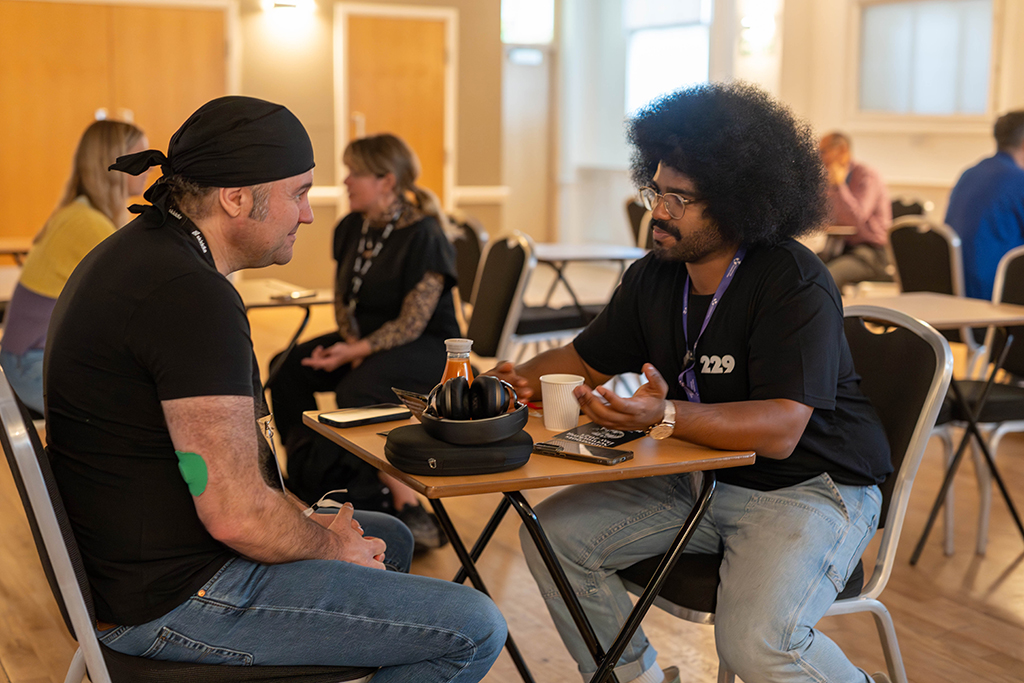
Networking is often one of the most valuable outcomes of an event, turning conversations into collaborations, partnerships, and lasting professional relationships.
9. Consider Accessibility and Inclusion
International delegates may have different accessibility requirements, and organisers should consider these needs from the earliest stages of event planning.
This includes physical accessibility, accessible communication, dietary requirements and the needs of attendees who may require additional support.
Asking attendees about their requirements in advance and ensuring that venue teams are prepared can help create a more inclusive experience for everyone.
10. Make the Experience Memorable
An international event is more than a schedule of presentations and meetings. For many delegates, it is also an opportunity to experience a new city, meet new people and create lasting connections.
Thoughtful touches can make an event feel more memorable — from showcasing local food and culture to providing recommendations for nearby attractions and activities.
A well-planned event considers the entire delegate experience: the journey to the venue, the welcome on arrival, the event itself and the memories attendees take away afterwards.
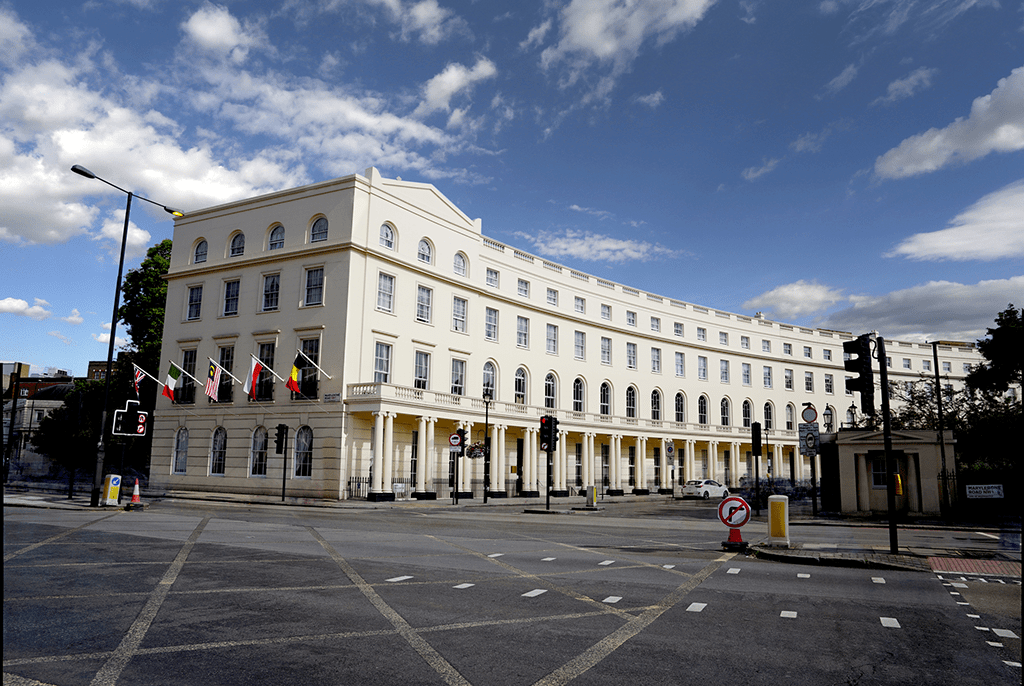
At ISH Venues, our central London spaces are designed to support a wide range of meetings, conferences and events. With flexible rooms, in-house catering, AV support and a dedicated events team, we can help create a welcoming experience for delegates from around the world.
Bringing the World Together
Hosting international delegates requires more than simply booking a room and creating an agenda. It requires careful consideration of the different experiences, expectations and needs that attendees bring with them.
The most successful international events create an environment where everyone feels welcome, informed and able to participate. With the right venue, thoughtful planning and a focus on connection, event organisers can create experiences that bring people together, wherever in the world they are from.
Have you also read these articles?
The Evolution of Networking: What Attendees Expect in 2026
The Most Underrated Metric: Measuring Connection