


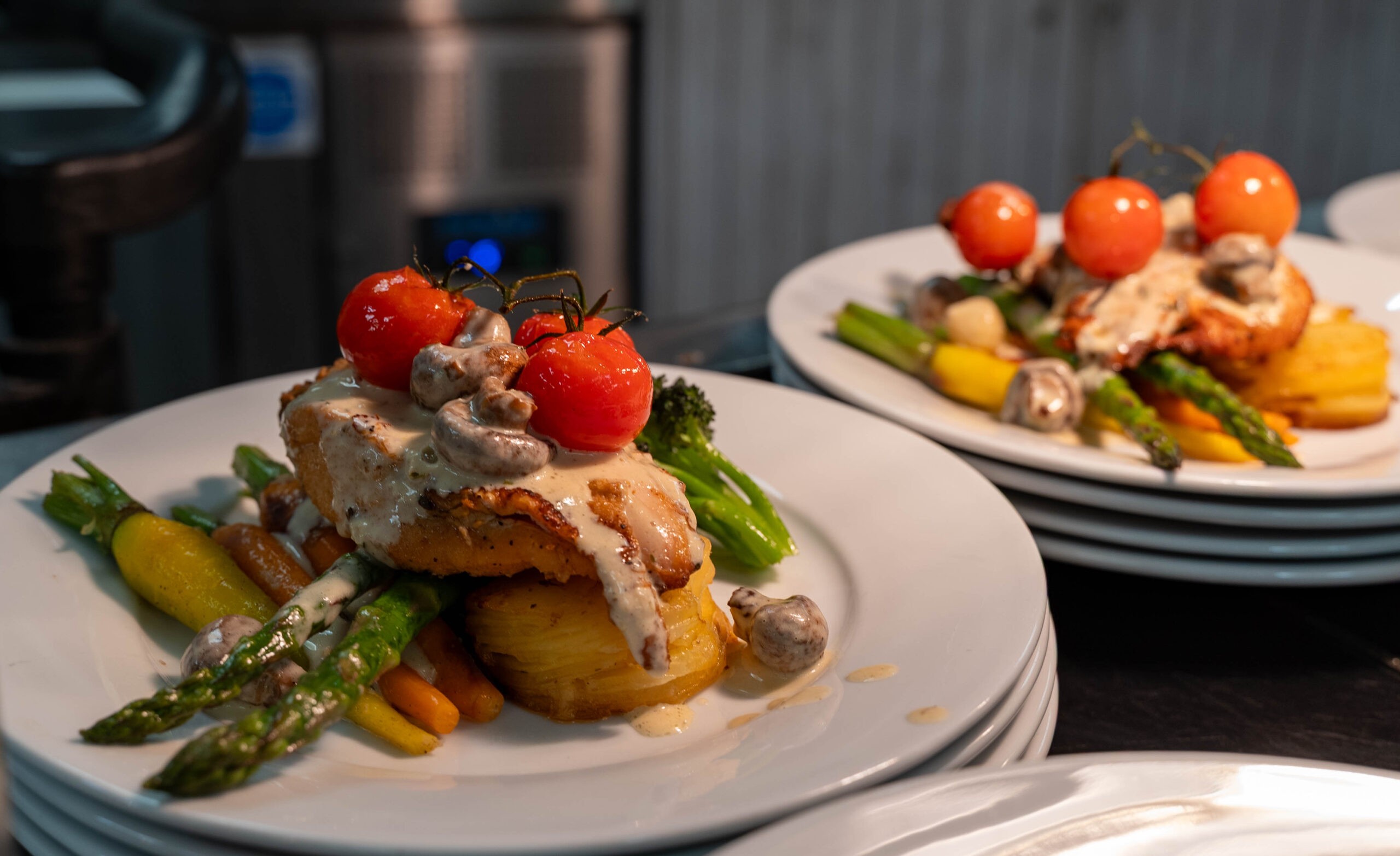
19 Nov Food for All: Planning Inclusive Menus for Diverse Guests
When it comes to planning an event, food plays a central role. Not just in terms of flavour, but in how it makes guests feel. Today’s events often welcome people from many cultural backgrounds, dietary practices, and lifestyle choices, and a thoughtful approach to menu planning can make every guest feel acknowledged and at ease.
Inclusive catering isn’t simply a trend; it’s an essential part of creating memorable, welcoming experiences.
Start With Understanding the Guest List
A successful inclusive menu begins with information. Event planners are encouraged to collect dietary needs in advance.
Key dietary needs to be aware of include:
- Allergies: such as nuts, dairy, eggs, shellfish, soy, and gluten
- Intolerances: including lactose or gluten intolerance
- Religious or cultural requirements: such as halal, kosher-style, or vegetarian traditions
- Lifestyle choices: such as vegan, plant-based, or flexitarian diets
- Health-related needs: such as low-sugar, low-salt, or low-fat diets
- Medical conditions: including coeliac disease or diabetes
- Personal preferences: such as avoiding spicy foods, preferring lighter options, or choosing high-protein meals
Understanding these requirements early allows the menu to be designed thoughtfully rather than reactively.
For larger public events where collecting this information isn’t possible, planners can embed inclusivity into the menu from the start by offering a natural balance of options.
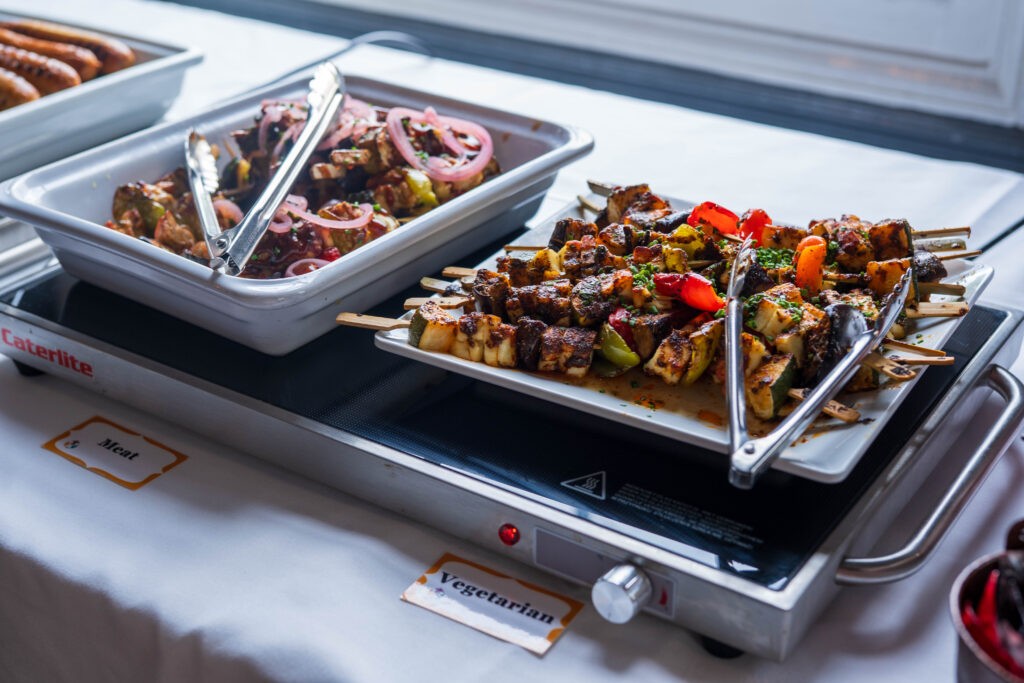
Clear labelling is essential in catering because it helps guests confidently identify suitable dishes, avoid allergens, and enjoy their meal safely.
Make Dietary Options Part of the Main Menu
No guest should feel like the “special case,” and thoughtful menu design can prevent that. Inclusive dishes should sit seamlessly alongside the rest, not feel like an afterthought.
Effective approaches include:
- Mixed stations or platters that naturally offer vegan, vegetarian, and high-protein options
- Flexible components, such as gluten-free bases or dairy-free sauces
- Clear menu labelling, helping guests choose confidently without having to ask
Celebrating Global Cuisines
A diverse audience presents a creative opportunity. Many global cuisines naturally incorporate plant-based dishes, varied proteins, and vibrant flavours, making them ideal foundations for inclusive menus.
Examples include:
- Middle Eastern mezze selections
- Mediterranean salad spreads
- Mexican rice or taco bowls
- Indian vegetable curries
- Build-your-own noodle stations
These styles allow guests to personalise their meal in a way that feels enjoyable and inclusive.
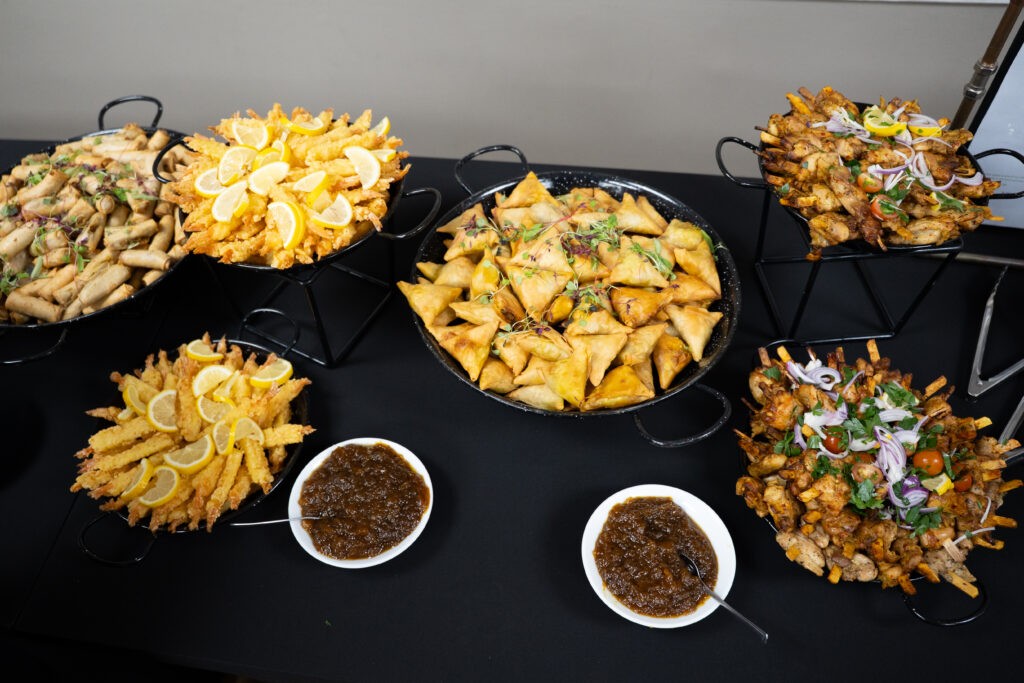
Creating a diverse global menu is important because it celebrates cultural variety, welcomes different tastes, and ensures every guest finds something familiar and enjoyable.
Prioritising Allergy-Friendly Options
Food allergies require extra attention. Offering at least one nut-free, gluten-free, and dairy-free option per course ensures that guests with allergies can dine safely.
To support this, event staff should:
- Use separate serving utensils
- Clearly label allergens
- Avoid cross-contamination during preparation and service
This level of care gives guests peace of mind and supports a smoother event experience.
It’s Not Just About the Food
Inclusivity extends beyond ingredients. Portion size, presentation, and practicality all affect how comfortable guests feel.
Thoughtful planners consider:
- Varied portion sizes for different appetites
- Alcohol-free and low-sugar drink choices
- Food that’s easy to eat while standing or networking
- A balance of temperatures and textures to suit different preferences
These elements help ensure all guests feel looked after throughout the event.
Feedback Drives Improvement
After the event, collecting feedback can be invaluable. Guests often notice when a menu feels considered, and their comments help shape even better experiences for future gatherings.
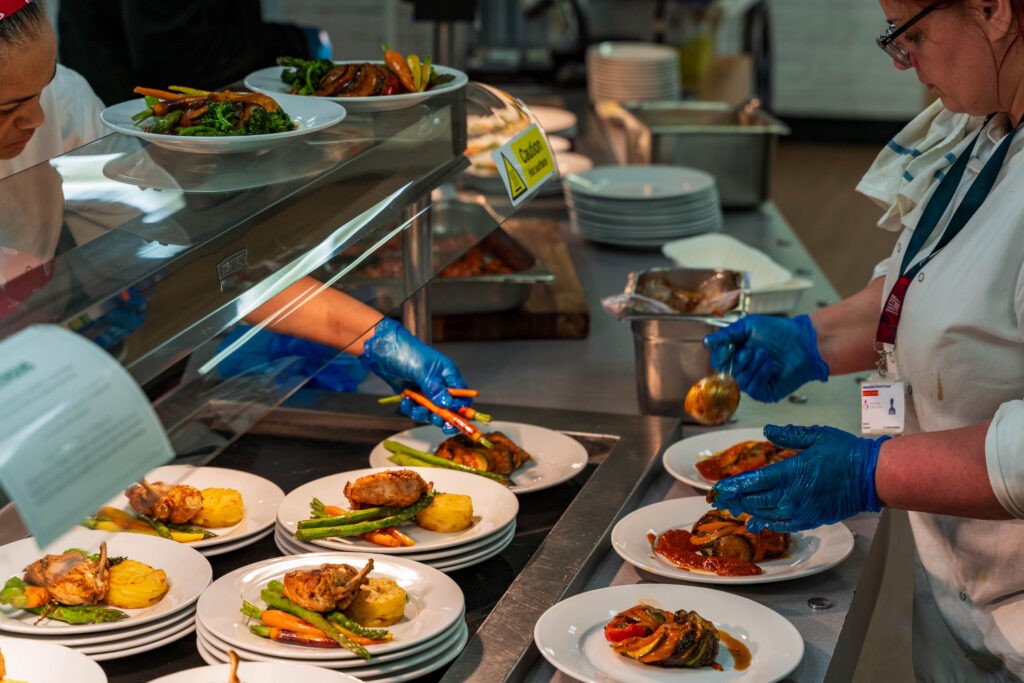
Having a catering team like BaxterStorey, who prioritise inclusivity in every menu, ensures every guest feels welcomed, considered, and well cared for.
Final Thoughts
At its heart, inclusive catering is about hospitality and making every guest feel welcomed and valued. A well-designed menu brings people together, removes barriers, and celebrates diversity through food.
By planning with inclusivity in mind, event organisers create experiences where everyone can enjoy the meal with confidence, comfort, and a sense of belonging.
Have you also read these articles?
Perfect Pairings: Catering Ideas For Every Event Type
Creating Accessible and Inclusive Events