


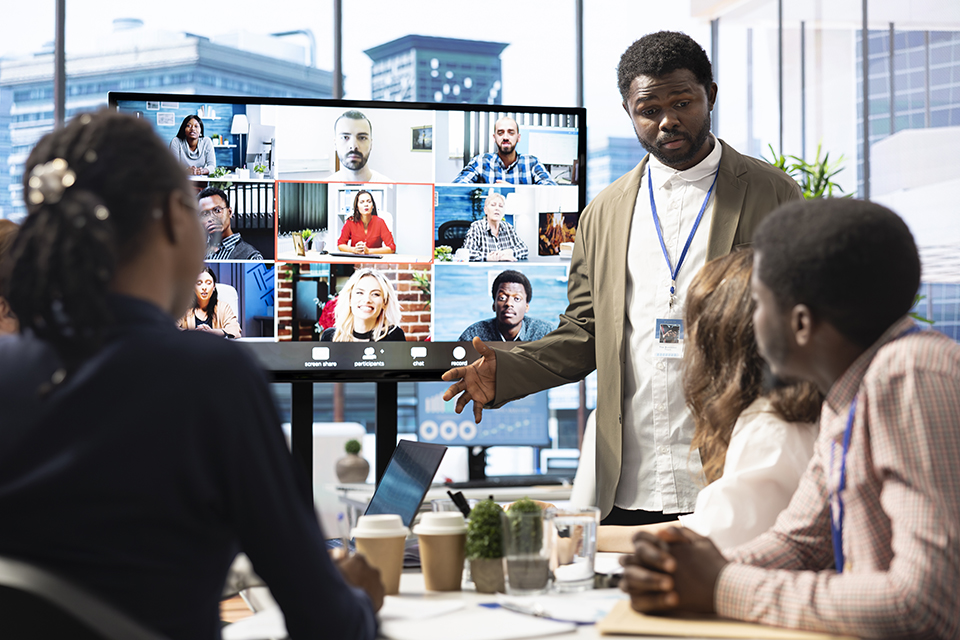
09 Apr How Hybrid and Immersive Events Transform Guests Experience
The events industry has evolved rapidly over the past few years, and it’s not slowing down anytime soon. What began as a necessary shift toward virtual accessibility has now developed into something far more exciting: a blend of hybrid and immersive event experiences that are reshaping how we connect, learn, and engage.
For event planners in London and beyond, this isn’t just a trend. It’s a new standard.
What Do We Mean by Hybrid and Immersive Events?
Hybrid events combine in-person and virtual elements, allowing audiences to participate whether they’re in the room or joining remotely. Meanwhile, immersive events focus on experience using technology, design, and storytelling to fully engage attendees on a deeper level.
When these two approaches come together, they create events that are not only accessible but also memorable.
Why Hybrid Events Are Here to Stay
Hybrid events are a strategic choice. They allow organisers to:
- Expand their audience reach beyond geographical limitations
- Increase inclusivity for international attendees or those unable to travel
- Offer flexible attendance options, which audiences now expect
In a city like London, where global audiences are a key part of the events landscape, hybrid formats open the door to a much wider network without compromising the in-person experience.
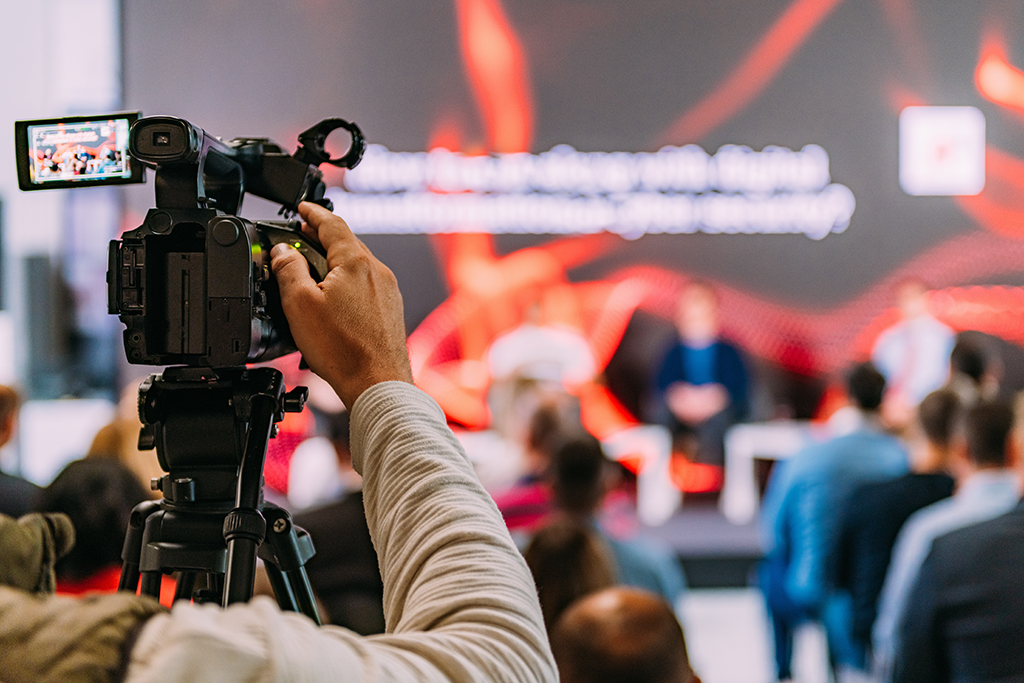
Blending in-person and virtual experiences can boost engagement, accessibility, and impact. Photo by microgen.
The Rise of Immersive Experiences
Attendees today want more than just a seat and a screen—they want to feel part of something. Immersive events achieve this through:
- Interactive content (live polls, Q&As, gamification)
- Creative room layouts and staging
- Multi-sensory elements like lighting, soundscapes, and visuals
- Story-driven event design
From networking events to conferences, adding immersive elements can turn passive audiences into active participants.
Where Hybrid Meets Immersive
The most exciting developments happen when hybrid and immersive approaches are combined. Imagine:
- A keynote speaker presenting live to a room while simultaneously interacting with a global virtual audience
- Digital attendees accessing exclusive behind-the-scenes content or alternate camera angles
- In-person guests engaging with interactive installations while remote attendees participate through live digital tools
This blended approach ensures that no matter how attendees join, they feel equally involved.
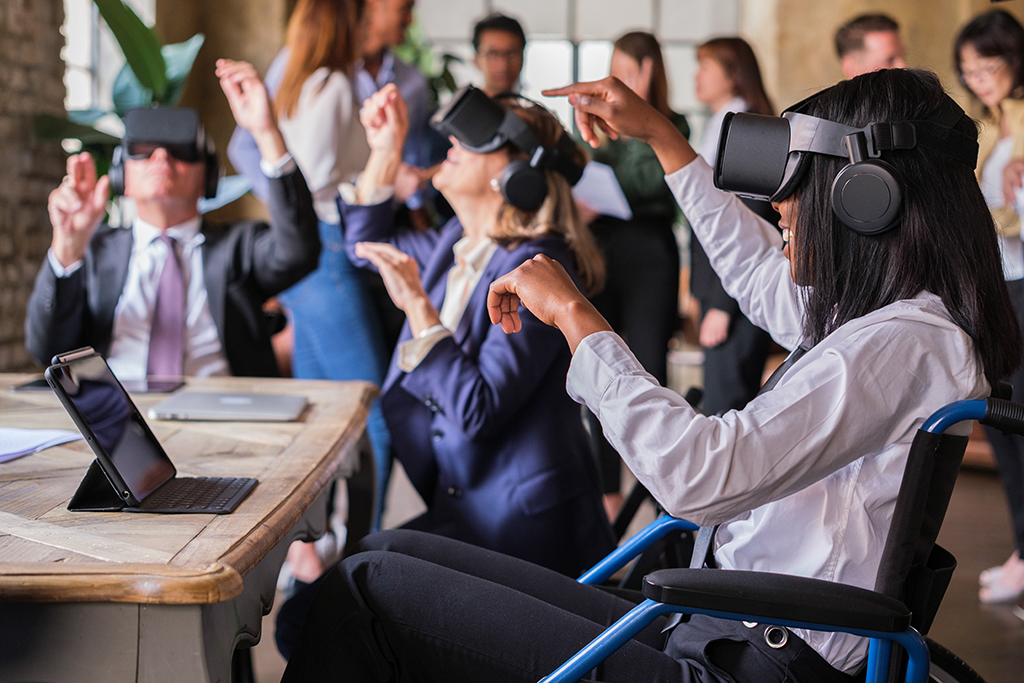
Blending hybrid and immersive formats ensures events are both accessible and engaging, connecting audiences wherever they are. Photo by isitophotostock.
What This Means for Event Planners
For planners, this shift requires a new way of thinking. It’s no longer just about logistics—it’s about experience design.
Key considerations now include:
- How will virtual and in-person audiences interact?
- What technology is needed to support seamless delivery?
- How can engagement be maintained across both formats?
- What moments will make the event memorable?
Planning with both accessibility and engagement in mind is now essential.
Designing Events for a Hybrid Future
As expectations continue to evolve, successful events will be those that prioritise both connection and creativity. This doesn’t necessarily mean large-scale production. Even small additions like live-streaming key sessions or incorporating interactive elements can significantly enhance the attendee experience.
The goal is simple: make every attendee feel included, engaged, and part of the moment, whether they’re in the room or joining from across the world.
By embracing both hybrid and immersive events, organisers can create experiences that are flexible, engaging, and truly impactful. And in a city as dynamic and internationally connected as London, that shift isn’t just redefining events, it’s raising the standard for what great events should be.
Have you also read these articles?
Why Location Matters: Planning Events in Central London
How To Plan a Hybrid Event