



14 Jan The Future of Inclusive Events in London
London’s events industry is evolving. As expectations shift, planners are moving beyond one-size-fits-all formats toward experiences that are sustainable by design, intelligent in execution, and genuinely inclusive for everyone attending. The future of events is not just about scale or spectacle. It’s about how thoughtfully people are brought together.
From corporate conferences to cultural gatherings, inclusive event planning is becoming both a responsibility and a competitive advantage. Here’s how sustainability, smart technology, and social design are shaping the next generation of events in London.
Sustainability as a System, Not a Statement
Sustainability is no longer a standalone feature or marketing message. It’s embedded into how events are planned from the ground up. This means moving past surface-level initiatives like recycling bins and instead focusing on system-wide decisions, including:
- Working with local suppliers to reduce transport emissions
- Choosing energy-efficient AV and lighting systems
- Designing layouts that minimise waste and excess materials
- Using reusable or modular decor that adapts across events
In London, where venues operate within dense urban environments, sustainable planning also means being mindful of noise, energy use, and community impact. Events that integrate sustainability early tend to run more efficiently, reduce costs over time, and align better with corporate ESG goals.

Partnering with local suppliers supports sustainability by reducing food miles, ensuring fresher ingredients, and strengthening the local food economy. Photo by GabiStock.
Smart Events: Using Technology With Purpose
Technology continues to transform how events are planned and experienced, but the most successful events use it intentionally.
Smart event planning focuses on:
- Hybrid and flexible formats that give in-person and remote attendees equal value
- Apps and online tools for registration, scheduling, and personalised agendas
- Data-driven insights to track engagement and refine future events
- Digital accessibility, such as live captions or multilingual support
Rather than overwhelming attendees, smart technology simplifies the experience, reducing friction, improving navigation, and allowing organisers to respond in real time. In a fast-paced city like London, this level of efficiency is increasingly expected.
Designing for Inclusivity and Accessibility
True inclusivity considers the full spectrum of attendee needs, from physical to sensory to cultural to social. Inclusive events prioritise:
- Step-free access and clear way-finding
- Flexible seating and room layouts
- Quiet breakout spaces for focus or rest
- Thoughtful scheduling that avoids fatigue
- Catering that respects dietary, cultural, and religious needs
Accessibility isn’t a limitation; it’s a design opportunity. When events are planned with diverse needs in mind, they become more comfortable, welcoming, and effective for everyone attending.

Incorporating vegan menu options supports sustainability by reducing environmental impact while ensuring inclusive catering that respects diverse dietary, cultural, and ethical needs.
Well-Being as Part of the Event Experience
Attendee well-being is becoming a core part of event design, not an afterthought. Forward-thinking planners are incorporating:
- Natural light and ventilation
- Regular breaks and realistic agendas
- Hydration stations and mindful catering
- Calm spaces for reflection or decompression
In high-energy or content-heavy events, these considerations help attendees stay engaged, present, and productive. Well-being-focused events also encourage longer participation and more meaningful interactions.
Social Spaces That Encourage Connection
Events are ultimately about people, and the most memorable ones are designed to spark connection. Social-first design includes:
- Informal breakout areas that encourage conversation
- Flexible layouts that adapt from presentations to networking
- Distinctive and shareable moments that enhance engagement
- Spaces that feel welcoming rather than overwhelming
In London’s diverse event scene, social design helps attendees feel comfortable connecting across industries, cultures, and backgrounds.
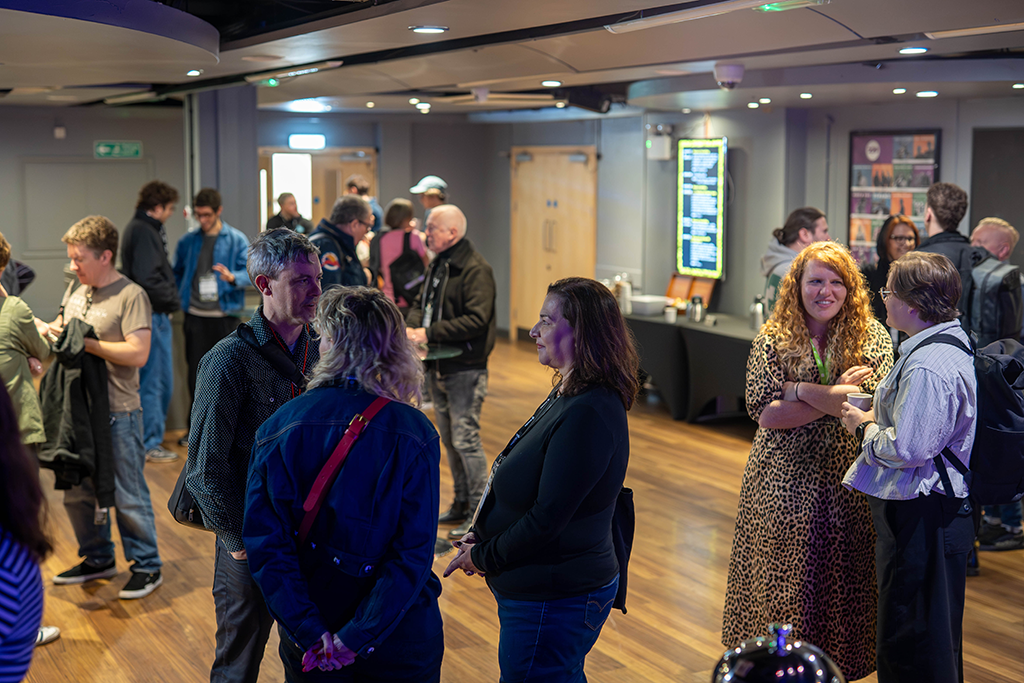
Informal breakout areas with nearby refreshments, like those in Venue 2 at ISH Venues, encourage relaxed conversation, natural networking, and meaningful connection between attendees.
The Future of Inclusive Events in London
As expectations rise, inclusive event planning is becoming the standard rather than the exception. Sustainable systems, smart technology, and human-centred design are shaping events that are more responsible, more engaging, and more meaningful.
The future of events in London belongs to planners who think holistically. When you start planning for your next event, think of designing experiences that work better for people, the city, and the environment.
Have you also read these articles?
Food for All: Planning Inclusive Menus for Diverse Guests
Creating Accessible and Inclusive Events