


27 Nov The Right Setup for the Right Occasion: A Venue Room Guide
When it comes to planning an event, one of the most important decisions an organiser can make is choosing the right room layout. While catering, decor, and programming often take centre stage, the setup of the space ultimately determines the event’s flow, energy, and overall success.
This guide explores the most common event layouts, why capacity is essential when selecting a setup, and how choosing the right arrangement can enhance the experience for every guest.
Understanding the Most Popular Event Layouts
Each event has a unique goal, and every layout supports that goal differently. These are some of the most effective and widely used setups:
1. Theatre Style
Rows of chairs facing a stage or focal point.
Best for:
Presentations, talks, screenings, and content-focused events.
Why it works:
It maximises capacity and directs attention toward the speaker or performance.
2. Classroom Style
Tables with chairs facing forward.
Best for:
Training sessions, seminars, workshops, and full-day learning formats.
Why it works:
Guests have space for laptops, writing, and materials. This makes it ideal for educational settings.
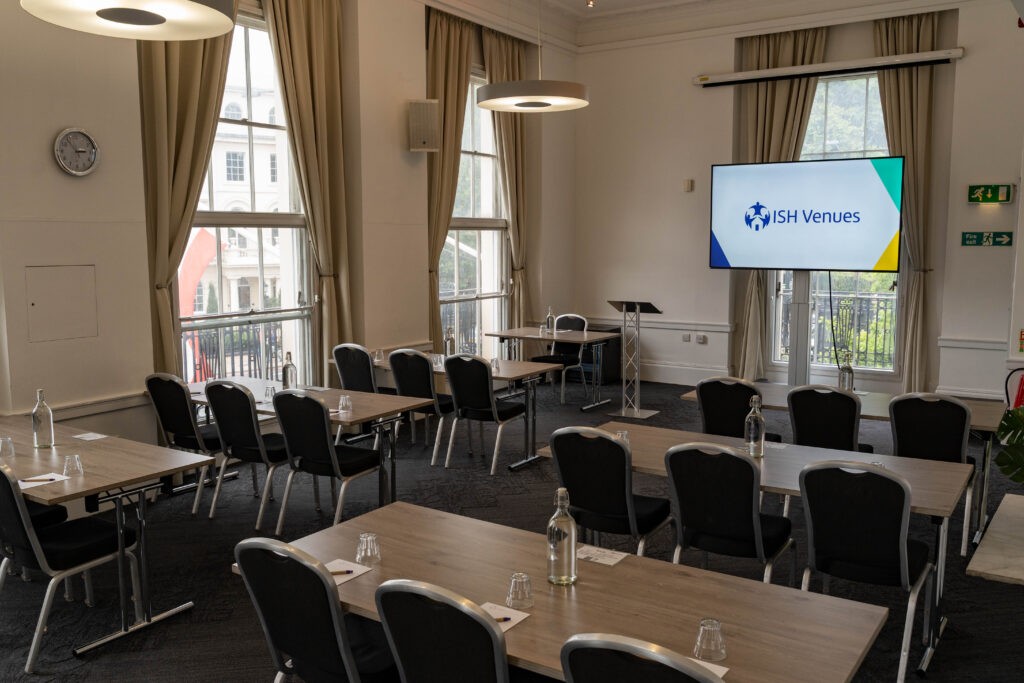
Classroom style in the Club Room creates the perfect environment for focused learning, productive training sessions, and full-day workshops. Bright, spacious, and designed to keep everyone engaged from start to finish.
3. Cabaret Style
Round tables with an open side facing the front.
Best for:
Collaborative workshops, interactive sessions, and networking events.
Why it works:
It allows small-group conversation while maintaining focus on a central presenter.
4. Banquet Style
Round tables seating 6–10 people.
Best for:
Award ceremonies, gala dinners, celebrations, and catered receptions.
Why it works:
It creates a social, elegant atmosphere where dining and conversation are key.
5. Boardroom Style
A single central table with delegates seated around it.
Best for:
Decision-making meetings, interviews, and strategy sessions.
Why it works:
Everyone is equally visible, encouraging direct engagement and discussion.
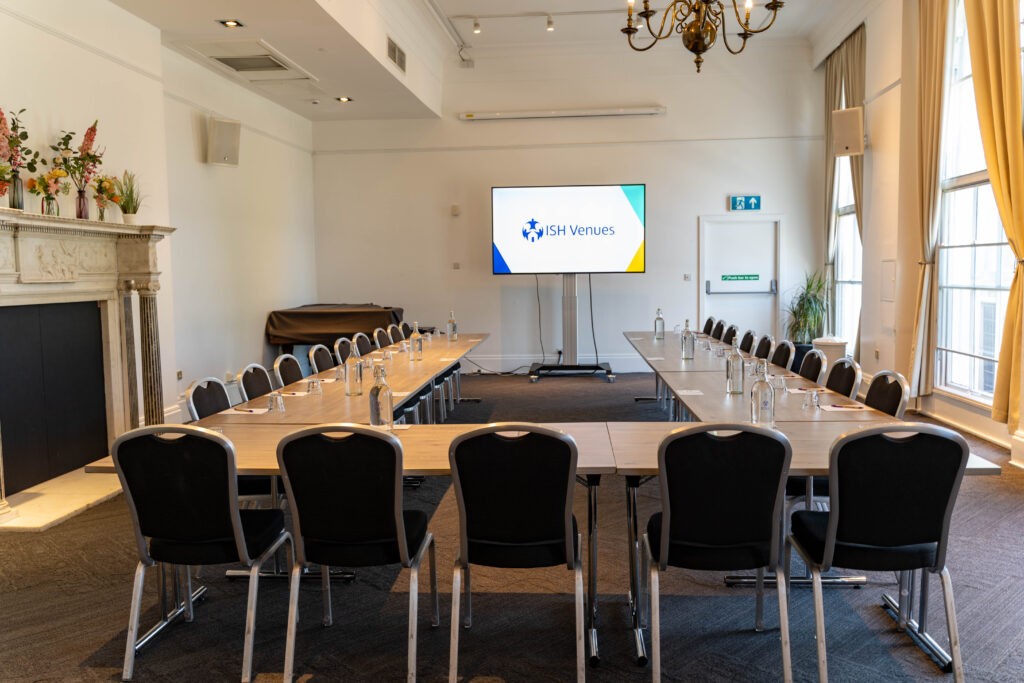
The U-shape setup is ideal for hybrid meetings in the Gulbenkian, offering clear visibility and seamless interaction between in-person and virtual attendees.
6. U-Shape Style
Tables arranged in a U with chairs around the outside.
Best for:
Training, workshops, and presentations that require interaction and visibility.
Why it works:
Presenters can walk into the centre of the space, building connection and clarity.
7. Standing Reception
An open, informal setup with no fixed seating.
Best for:
Networking events, exhibitions, showcases, and social gatherings.
Why it works:
It encourages movement, conversation, and flexibility.
Why Capacity Matters When Choosing a Layout
Capacity isn’t simply about fitting a certain number of people into a room, it’s about creating a comfortable, safe, and effective environment.
The same room can accommodate vastly different numbers depending on the setup. Theatre style might accommodate 120 guests, whereas banquet seating may only allow 50. Understanding these variations helps organisers make informed decisions.
Capacity influences:
- Comfort: Ensuring guests aren’t overcrowded.
- Flow: Providing space for movement, mingling, and breakout activities.
- Safety: Maintaining clear walkways and meeting venue guidelines.
- Atmosphere: Avoiding the room feeling too empty or too tight.
Taking capacity into account early in the planning process helps match the event’s goals to the room’s practical limitations.
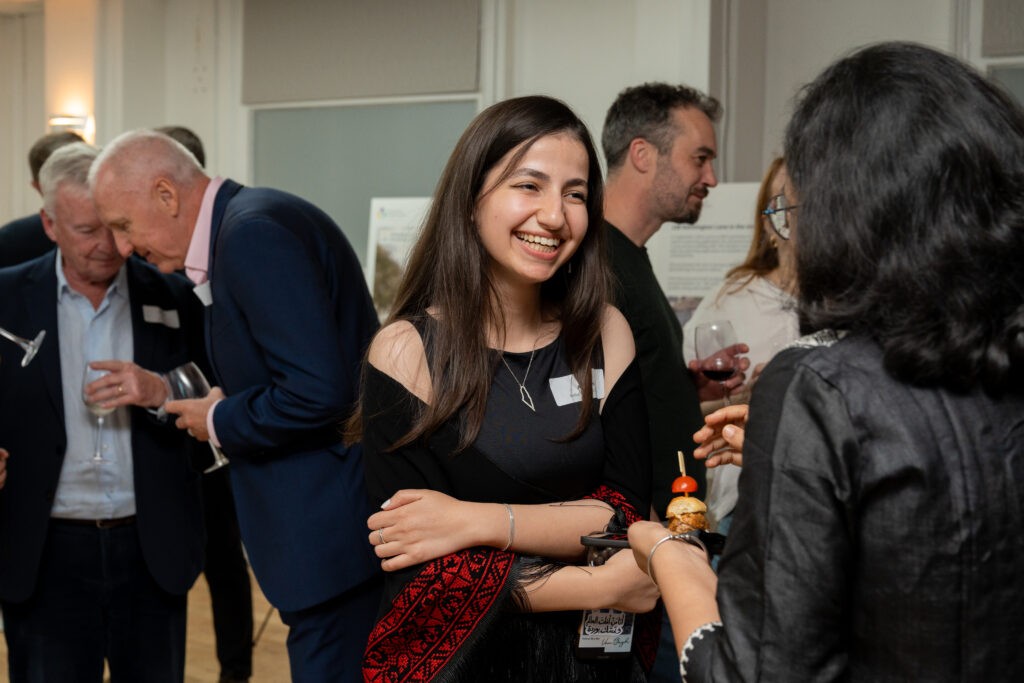
Reception style in the Portland Room creates an open flow, making it easy for attendees to mingle, socialise, and connect throughout the event.
Choosing the Right Layout for Your Event Goals
The layout sets the tone for the entire experience. Organisers should always match their setup to the intended purpose:
- Content-driven events benefit from layouts like theatre, classroom, or U-shape that keep focus forward.
- Interactive sessions are enhanced by cabaret or boardroom arrangements that support conversation.
- Celebratory or dining-focused events shine in banquet layouts that encourage social connection.
- Networking-focused gatherings thrive with open, standing setups that allow free movement.
When the room layout aligns with the event’s goal, everything runs more smoothly.
The Power of the Perfect Layout
The right room setup is the foundation of a successful event. It shapes how people interact, how they engage with content, and how they experience the space. By choosing a layout that supports the event’s purpose and respects the room’s capacity, organisers create an atmosphere that feels intentional, seamless, and memorable.
Have you also read these articles?
Perfect Pairings: Catering Ideas For Every Event Type
Before You Book: Ask the Right Questions