


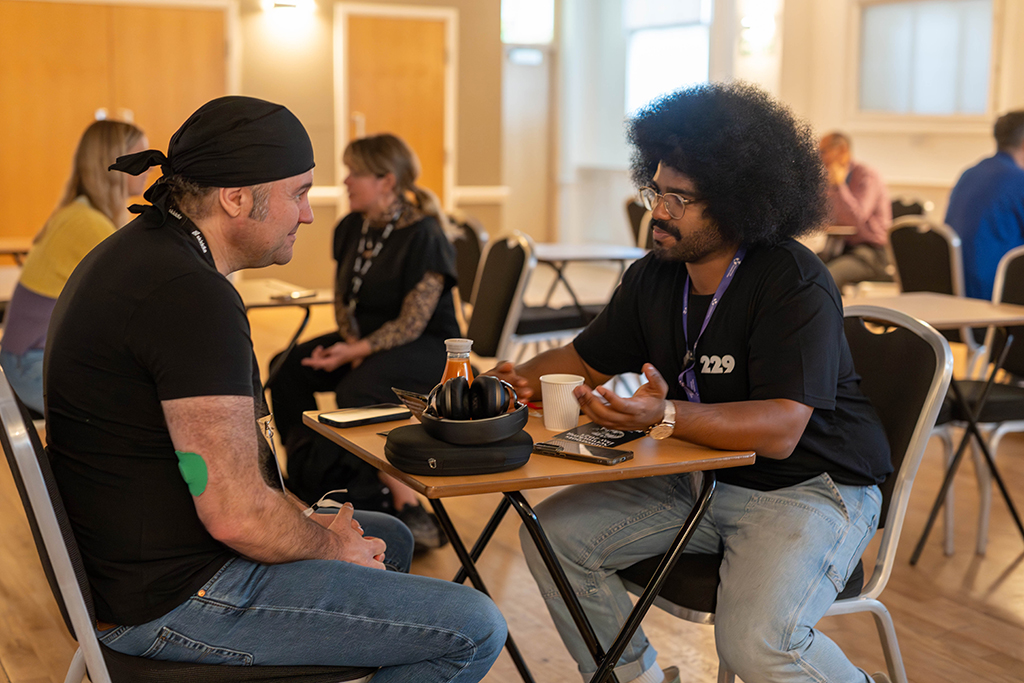
05 Feb Time to Talk Day: Event Spaces Encourage Conversation
Time to Talk Day is a reminder of the power of conversation: how a simple check-in, shared experience, or open discussion can help people feel seen, heard, and supported. While mental health conversations often focus on individuals, the spaces where we gather also play a significant role in shaping how comfortable people feel opening up.
For event planners, this presents an important opportunity. Whether you’re organising a conference, workshop, networking event, or community gathering, the right environment can encourage connection, reduce barriers, and create space for meaningful conversation.
This blog explores how event spaces can support openness and connection, and what planners should consider when choosing venues that work for people with different needs, communication styles, and accessibility requirements.
Why Space Matters in Encouraging Conversation
The way a space looks, feels, and functions has a direct impact on how people behave within it. Bright lights, rigid seating, or overwhelming noise can make people feel guarded or disengaged, while thoughtfully designed spaces can help attendees feel relaxed and included.
When people feel physically comfortable and emotionally safe, they’re more likely to:
- Participate in discussions
- Engage with others
- Stay present and focused
- Share ideas, questions, and experiences
Event spaces aren’t just a backdrop. They actively shape the experience.
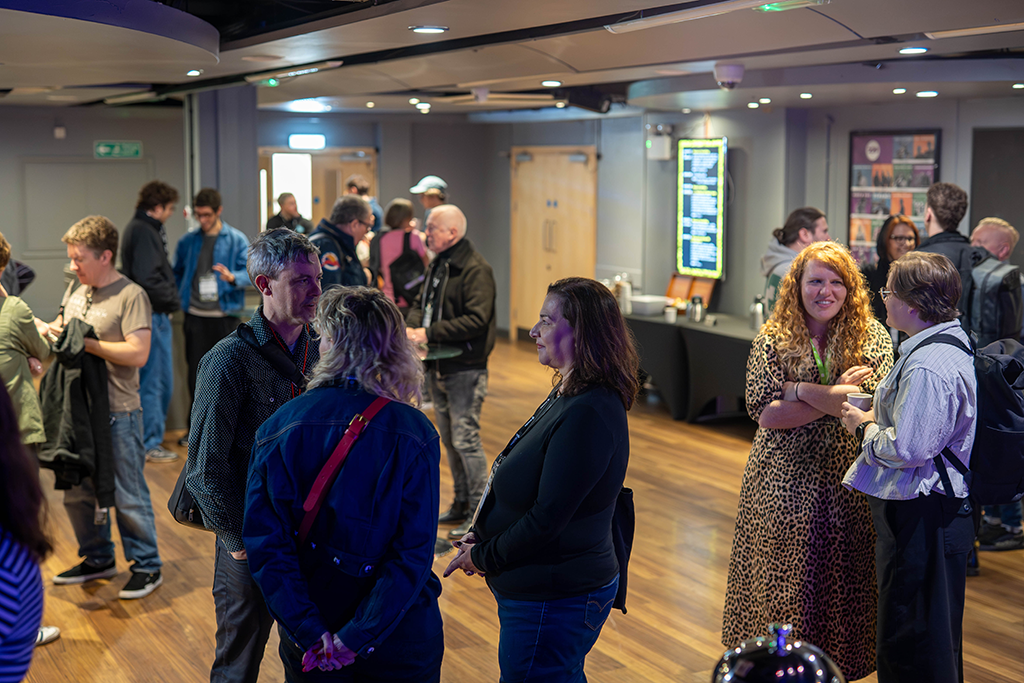
Informal breakout areas with nearby refreshments, like those in Venue 2 at ISH Venues, encourage relaxed conversation, natural networking, and meaningful connection between attendees.
What Event Planners Should Look for in Conversation-Friendly Spaces
1. Flexible Layouts for Different Types of Interaction
Different events require different types of conversation. Look for venues that allow adaptable room layouts, such as:
- Boardroom or cabaret seating for collaboration and discussion
- Circular or semi-circle layouts to reduce hierarchy and encourage participation
- Breakout rooms for smaller group conversations or quieter moments
Flexibility allows planners to design events that move between listening, sharing, and reflecting — rather than relying on a single format.
2. Quiet and Low-Stimulation Areas
Not everyone thrives in high-energy environments. Spaces that include:
- Breakout rooms away from main stages
- Calm areas for one-to-one conversations
- Lounges or informal seating zones
help accommodate different communication styles and energy levels. These quieter spaces are especially valuable for neurodivergent attendees, people experiencing anxiety, or those who simply need a pause from busy environments.
3. Accessibility as a Foundation, Not an Add-On
Encouraging openness starts with ensuring everyone can fully access and participate in the event.
Event planners should look for venues that consider accessibility across a wide range of needs, including:
- Step-free access and lifts
- Accessible toilets
- Clear signage and wayfinding
- Adjustable lighting and sound where possible
- Space for mobility aids and comfortable seating options
Beyond physical access, it’s also important to consider sensory and communication needs. Venues that are open to adjusting layouts, lighting, or sound levels can make a significant difference in how inclusive an event feels.
4. Welcoming Atmosphere and Natural Light
A warm, inviting environment can help set the tone for open conversation. Features that support this include:
- Natural daylight
- Neutral, calming colour schemes
- Comfortable furniture
- Thoughtful spacing that avoids overcrowding
These elements help reduce tension and make spaces feel less formal or intimidating — particularly important for discussion-led or wellbeing-focused events.
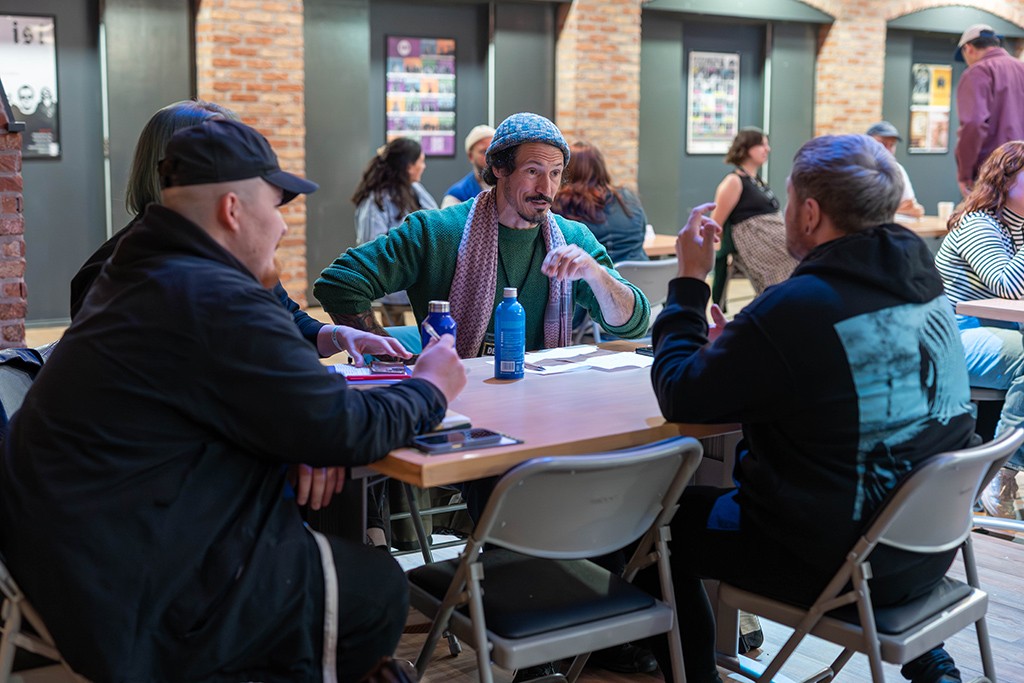
Different people connect in different ways. Offering varied formats means you create inclusive opportunities for all personality types; extroverts, introverts, and everyone in between.
Matching Spaces to Different Event Types
Conferences and Panel Discussions
For larger events, planners should consider:
Opportunities for informal discussion before, during, and after sessions can help attendees process ideas and connect with others.
Workshops and Training Sessions
Workshops benefit from:
- Smaller rooms or adjustable layouts
- Tables that encourage collaboration
- Easy movement between group work and presentations
Spaces that feel interactive rather than lecture-based help participants feel more confident contributing.
Networking and Community Events
Connection-focused events thrive in spaces that feel relaxed and informal. Look for:
- Open-plan areas with soft seating
- Multiple conversation zones rather than one central focus
- Background noise kept at a manageable level
This allows attendees to engage at their own pace and move comfortably between conversations.
Wellbeing and Discussion-Led Events
For events centred on wellbeing, mental health, or reflection, the environment is especially important. Consider:
- Calm, private rooms
- Minimal visual and audio distractions
- Nearby quiet spaces for decompression
These details help create a sense of psychological safety, which is essential for open dialogue.
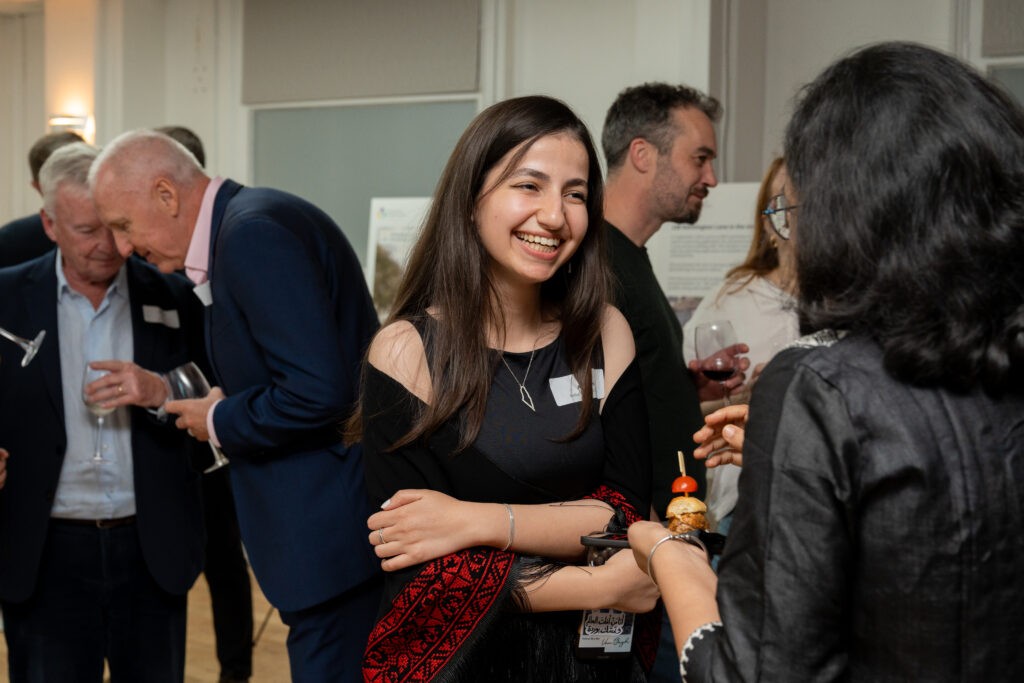
Reception style in the Portland Room creates an open flow, making it easy for attendees to mingle, socialise, and connect throughout the event.
Creating Events That Put People First
Time to Talk Day highlights the importance of listening and connection — and event spaces play a powerful role in making that possible. By choosing venues that prioritise flexibility, accessibility, and comfort, event planners can design experiences that encourage participation from a wide range of people.
Ultimately, creating space for conversation isn’t just about what’s said on stage. It’s about the environments that allow people to feel welcome, included, and confident enough to speak — and to be heard.
When spaces are designed with people in mind, meaningful connection naturally follows.
Have you also read these articles?
The Future of Inclusive Events in London
Creating Accessible and Inclusive Events