


11 Dec Why Good AV Makes or Breaks Your Event
When it comes to event planning, audio-visual (AV) quality isn’t just another item on the checklist, it’s the backbone of the entire experience. The right AV setup determines how well messages are delivered, how smoothly the programme runs, and how engaged the audience feels. Good AV rarely gets noticed; bad AV is impossible to ignore.
This guide shows why AV plays such a critical role and how it can ultimately make or break an event.
First Impressions Depend on Sound and Sight
The opening moments of an event set the tone for everything that follows. Attendees walk into a room and immediately begin assessing the atmosphere: how it looks, how it sounds, and how prepared the organisers appear to be.
Strong AV contributes to a polished first impression by:
- Ensuring immediate clarity. Crisp visuals and well-balanced audio give a sense of professionalism before the event officially begins. Even pre-event slides or walk-in music can help guests settle in and feel welcomed.
- Creating an environment of trust. When microphones, screens, lighting, and playback run seamlessly, guests subconsciously recognise that the organisers are competent and attentive.
- Setting the energy level. Lighting and audio can influence mood more than many realise. Bright, clean lighting energises a morning conference. Softer tones can elevate formal dinners or awards evenings.
These small signals collectively prepare guests to pay attention, engage, and enjoy what comes next.
Supporting Speakers and Presenters
Speakers often form the centrepiece of an event, yet their impact depends heavily on AV performance. Even the most engaging presenter can be derailed by a crackling microphone or a slideshow that refuses to advance.
High-quality AV supports presenters by:
- Delivering reliable amplification. Audiences shouldn’t strain to hear. Clear microphones and well-positioned speakers ensure every word is understood, especially in larger rooms or acoustically challenging spaces.
- Maintaining flow and pacing. A presenter’s confidence depends on smooth transitions: videos that start on cue, slides that respond instantly, and lighting that adjusts without hesitation.
- Reducing stress for all involved. When AV teams run rehearsals and check equipment beforehand, presenters can focus on content rather than technical concerns.
- Accommodating different presentation styles. Some speakers use videos, some require multiple microphones, and some prefer stage movement. Good AV adapts to them, not the other way around.
Ultimately, seamless AV ensures speakers shine, and the audience receives the message exactly as intended.
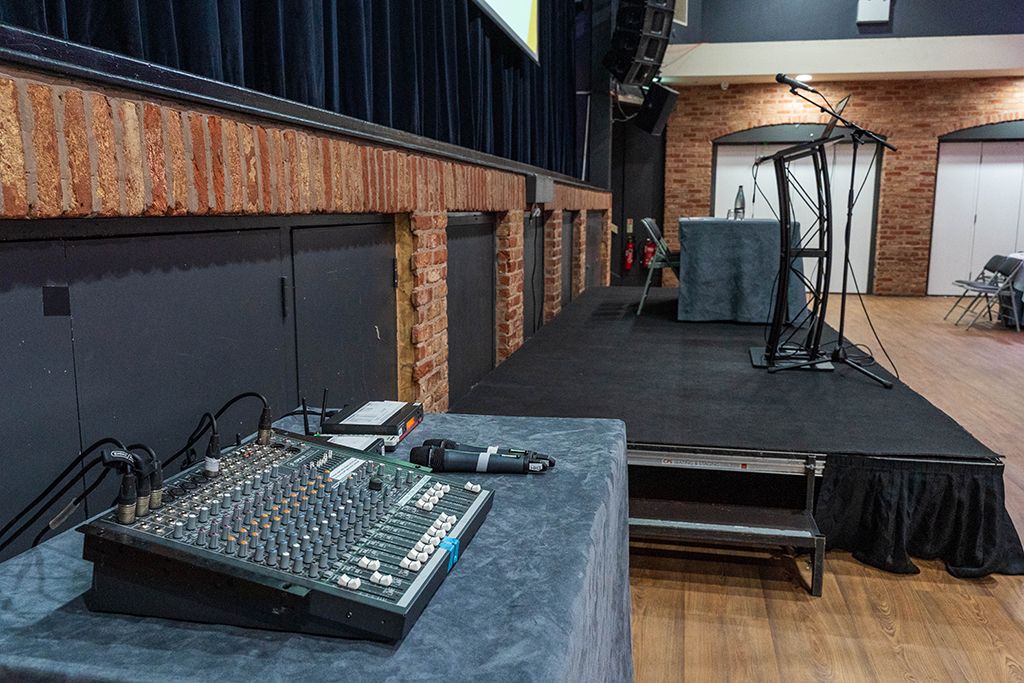
In Venue 1, high-quality audio is essential, giving presenters the clarity and confidence they need to deliver their message without interruption or strain.
Engagement Rises with Quality Production
Engagement isn’t just about content; it’s about how that content is delivered. AV is a major driver of audience attention, interaction, and retention.
Effective AV enhances engagement by:
- Using visuals strategically. High-resolution screens make graphs, text, and videos easy to follow, even from the back of the room. Blurry or dim visuals create barriers to understanding.
- Balancing audio for comfort. Poor audio isn’t just annoying, it’s physically tiring. Well-tuned sound systems improve comfort and concentration.
- Employing lighting to focus attention. Spotlights, colour washes, and ambient lighting help direct focus, build momentum, and create memorable moments.
- Adding interactive digital elements. Live polls, social media screens, Q&A tools, and video inserts break up long sessions and encourage participation.
When production quality is thoughtfully planned, attendees stay present, engaged, and responsive throughout the event.
Hybrid and Remote Guests Expect Excellence
Hybrid events have dramatically raised expectations. Remote guests want a viewing experience that feels just as intentional and high-quality as being there in person.
Strong AV ensures hybrid success by:
- Prioritising sound clarity above all. If remote attendees can’t hear properly, they’ll disengage within minutes. Quality microphones, mixers, and noise control are essential.
- Ensuring stable streaming and visuals. Professional cameras, proper framing, and reliable internet make a huge difference in how an event translates online.
- Creating equity between audiences. A hybrid setup that favours in-person guests can alienate virtual ones. Good AV balances both, ensuring remote participants feel included in discussions and Q&As.
- Integrating remote speakers smoothly. Virtual guest speakers require careful AV coordination. Delays, echoes, or frozen screens disrupt the entire room.
A flawless hybrid event strengthens accessibility, reach, and audience satisfaction, but only when AV is prioritised early in the planning process.
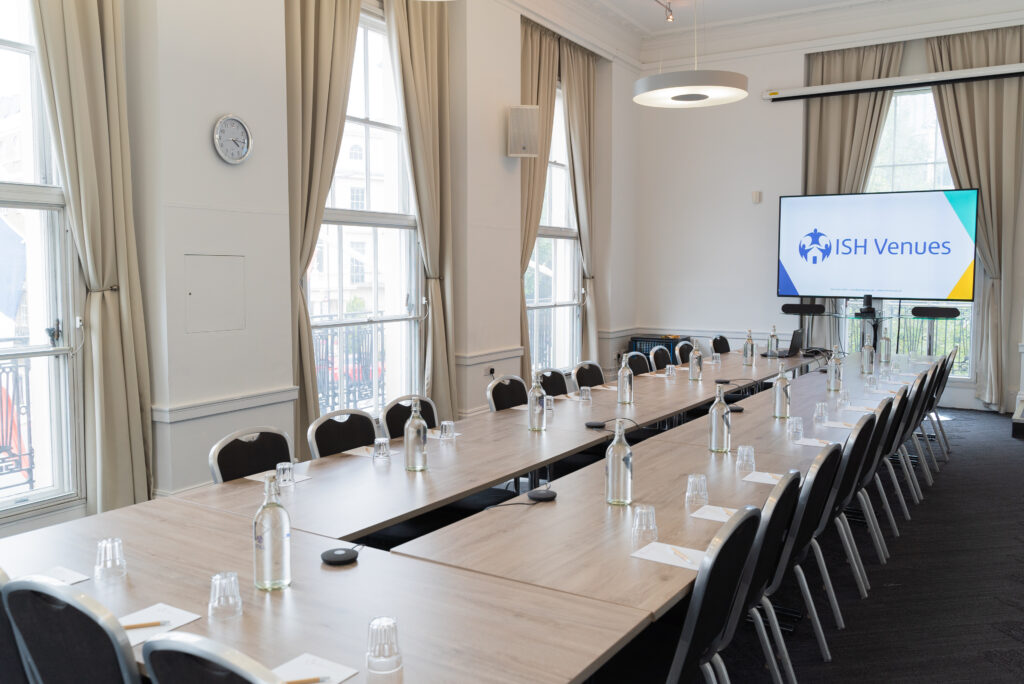
With a hybrid event setup in our Club Room, you can seamlessly integrate physical and virtual elements to ensure both in-person and online attendees have an engaging and cohesive experience.
AV Shapes the Event’s Memory
Event experiences live on through moments, such as, impactful speeches, powerful visuals, emotional announcements, or flawlessly executed transitions. AV is often the invisible force that shapes these memories.
Great AV contributes by:
- Enhancing emotional impact. Music, lighting cues, and video storytelling can dramatically elevate key moments.
- Creating memorable visuals. Well-lit stages, vibrant screens, and strong branding help reinforce the event’s identity.
- Preventing negative distractions. Technical issues don’t just interrupt, they often become the main thing attendees remember. Smooth AV protects the event’s reputation.
Guests won’t always recall the venue layout or catering details, but they will remember whether the event felt professionally executed. AV plays an enormous part in that perception.
Professional AV Planning Saves Time and Stress
Good AV doesn’t happen by accident, it requires intention, preparation, and professional support.
Effective planning includes:
- Early AV consultations. Bringing AV specialists into the conversation early helps identify potential challenges before they become problems.
- Site visits and walkthroughs. Understanding the venue’s acoustics, power supply, lighting, and layout ensures the right equipment is selected.
- Rehearsals and run-throughs. Testing microphones, videos, presentations, and transitions avoids surprises on the day.
- Backup equipment and contingency plans. Even with preparation, things can go wrong. A professional AV setup always includes spares and alternatives.
- Dedicated technicians. Having on-site AV support means issues can be fixed immediately without disrupting the event.
Investing in AV planning reduces stress for organisers and creates a smoother experience for everyone.

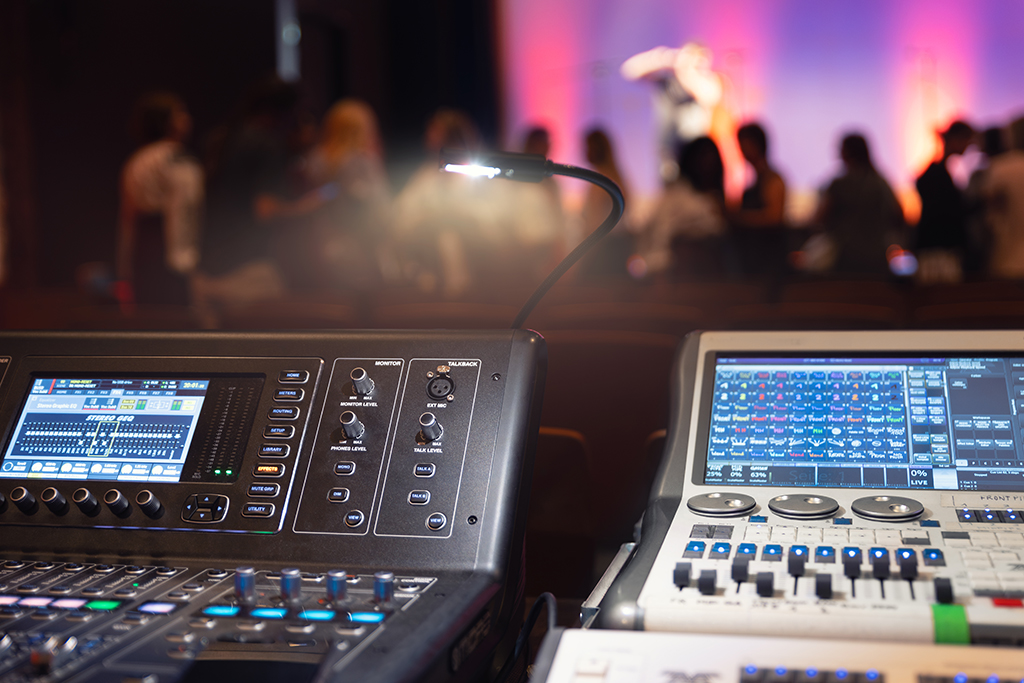
When guests are mingling, smooth AV keeps the atmosphere balanced and enjoyable, allowing conversations to flow without interruptions or awkward audio dips. Photo by AnnaStills.
When sound, visuals, lighting, and technology work together seamlessly, they elevate the experience for speakers, in-person guests, and remote attendees alike. Investing time and resources into AV planning not only prevents avoidable disruptions but also transforms an event into something memorable, engaging, and confidently executed. In the end, great AV doesn’t just support an event, it strengthens its message, enhances its atmosphere, and ensures it leaves a lasting impression.
Have you also read these articles?
How to Plan a Hybrid Event
The Right Setup For the Right Occassion: A Venue Room Guide