


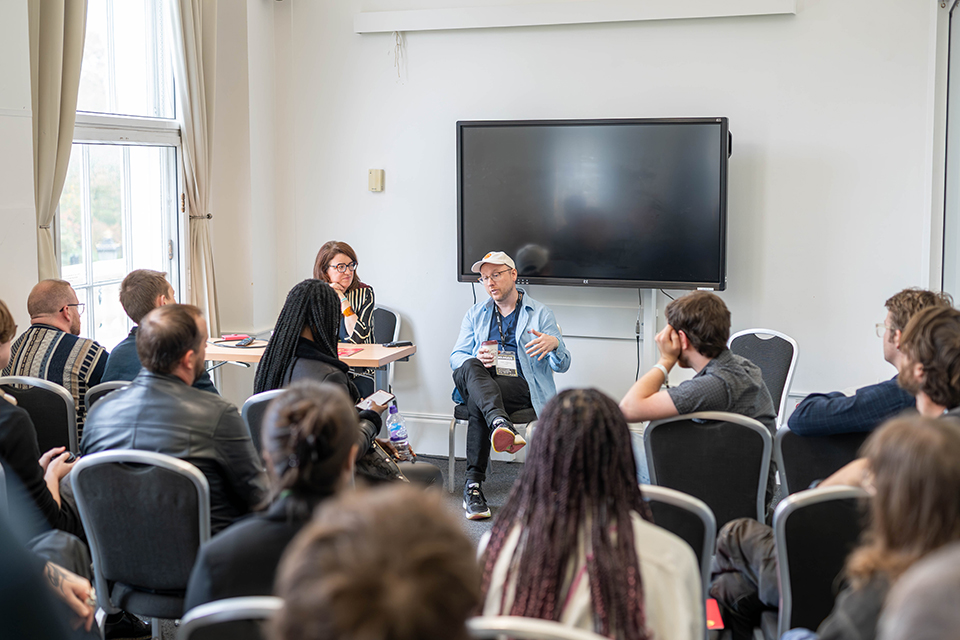
05 May How to Design Effective Small Meetings
Small meetings are often underestimated. Without the scale or structure of large conferences, they can easily become unfocused, repetitive, or unproductive. Yet when designed well, small team sessions are one of the most powerful tools for collaboration, creativity, and decision-making.
Whether you’re planning an internal strategy session, a workshop, or a client meeting, the key lies in intentional design. Here’s how to make small meetings truly effective.
Start With a Clear Purpose
Every successful meeting begins with clarity. Before booking a room or sending an invite, define what the session needs to achieve.
Ask yourself:
- Is this meeting for decision-making, brainstorming, or alignment?
- What outcome should participants leave with?
- Does this need to be a meeting at all?
A focused objective not only shapes the agenda but also ensures attendees understand their role and contribution.
Design the Right Environment
The physical setup of a space has a direct impact on how people interact.
For small meetings, layout matters:
- Boardroom style works best for structured discussions and decision-making
- Cabaret or roundtable setups encourage collaboration and participation
- Lounge-style seating can create a more relaxed, creative atmosphere
Lighting, natural daylight, and acoustics also play a role in maintaining energy and focus. A comfortable, well-designed space removes distractions and supports engagement.
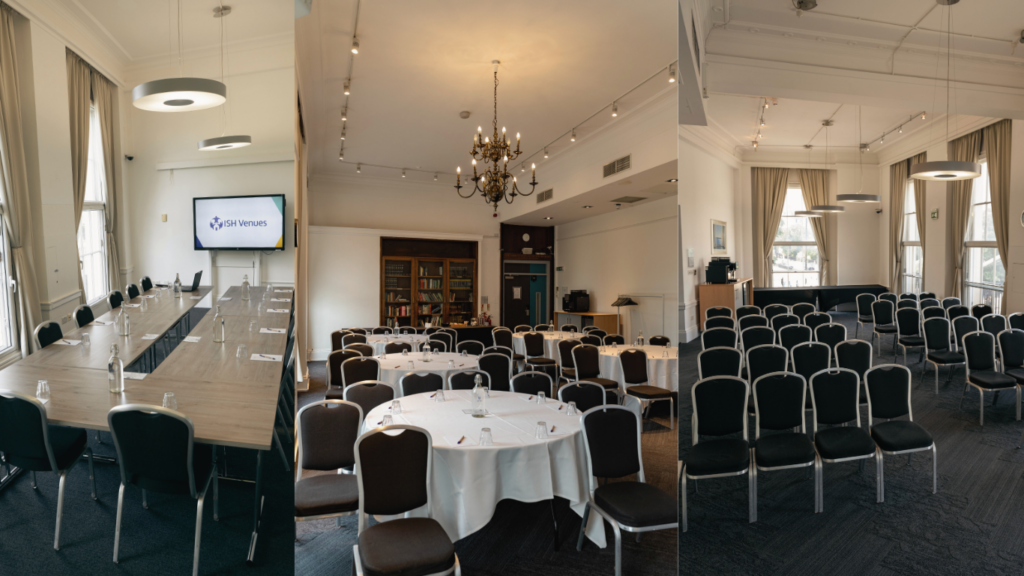
At ISH Venues, we can design the right environment for your event—whatever the layout—ensuring your space supports how your team connects, collaborates, and delivers results.
Keep the Group Intentionally Small
It sounds obvious, but smaller doesn’t always mean effective. The ideal group size depends on your goal.
- 3–5 people: best for deep discussion and problem-solving
- 6–10 people: ideal for collaborative workshops
- 10+ people: requires more structure and facilitation
If attendees don’t have a clear role or input, it may be worth reconsidering their inclusion. Smaller, more engaged groups often lead to better outcomes.
Structure Without Overloading
One of the most common pitfalls in small meetings is getting the balance wrong between structure and flexibility. Without a clear plan, conversations can quickly lose direction. Too much structure, however, can make the session feel rigid and restrictive.
The most effective approach is to create a light framework that guides the flow without overwhelming it. This might include a simple agenda with defined time blocks, focused around two or three priority topics rather than an exhaustive list. Allowing space for discussion is just as important as setting direction, so building in natural pauses or transitions can help maintain energy and give participants time to reflect.
A well-paced meeting should feel intentional, but never forced.
Facilitate, Don’t Just Host
Even in a small group setting, the role of a facilitator is crucial. There’s a clear distinction between simply hosting a meeting and actively guiding it.
A strong facilitator ensures that the conversation remains productive, balanced, and aligned with the meeting’s objectives. This involves subtly steering discussions back on track when they drift, creating opportunities for quieter participants to share their perspectives, and managing more dominant voices so that no single viewpoint takes over.
Facilitation also means actively listening, identifying key themes as they emerge, and periodically summarising progress to keep everyone aligned. In smaller meetings, where dynamics can shift quickly, this role becomes even more important in maintaining focus and inclusivity.
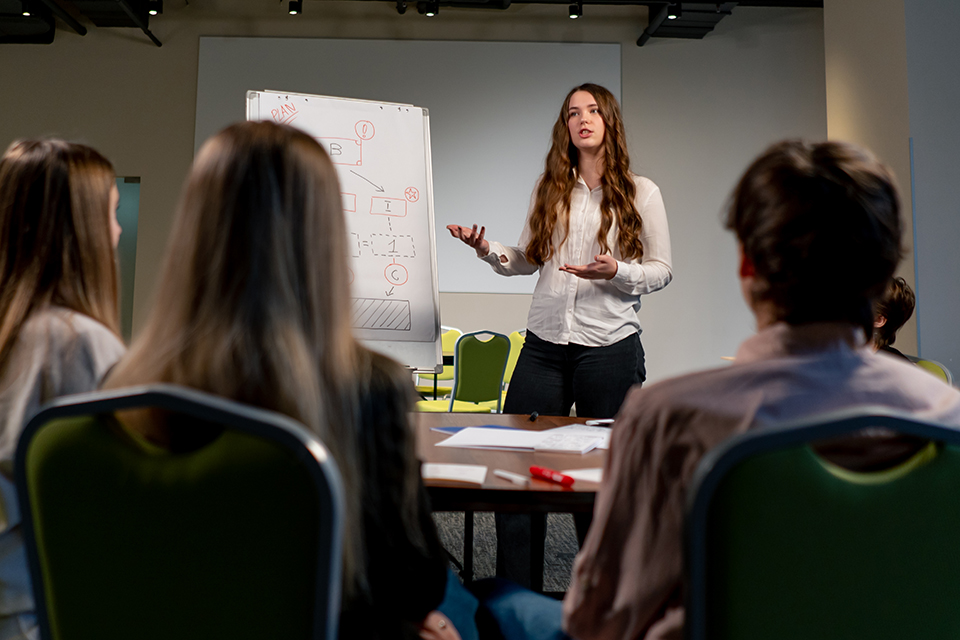
In smaller meetings, it’s easy to assume conversations will naturally stay on track, but that’s rarely the case. Without active facilitation, discussions can quickly lose focus or become unbalanced. Photo by guyswhoshoot.
Use Tools That Support Engagement
While small meetings don’t require complex technology, the thoughtful use of simple tools can significantly enhance engagement and collaboration.
Visual aids, such as whiteboards or flipcharts, help bring ideas to life and make abstract discussions more tangible. When participants can see their contributions taking shape in real time, it encourages a more interactive and inclusive environment.
For brainstorming sessions, tactile tools like sticky notes can be particularly effective in generating and organising ideas collectively. For more structured discussions or hybrid meetings, screens and shared documents can help ensure everyone stays aligned, regardless of how they are joining.
The key is to use tools intentionally, choosing those that support the objective of the session rather than distract from it.
Build in Moments for Connection
One of the biggest advantages of small meetings is the opportunity to create genuine connection between participants. Unlike larger events, these sessions allow for more personal interaction, which can significantly influence how open and collaborative the discussion becomes. Taking a few minutes at the start for informal conversation, a simple check-in, or even a shared coffee can help set a more relaxed and positive tone.
These moments shouldn’t feel forced or overly structured, but rather a natural way to help participants settle into the space and feel comfortable contributing.
When people feel connected and at ease, they are far more likely to engage openly, share ideas, and participate meaningfully throughout the session.
End With Clear Outcomes
A well-run meeting doesn’t simply end when time runs out; it concludes with clarity and direction. Without a defined close, even the most productive discussions can lose momentum once participants leave the room.
Taking the time to summarise key points ensures that everyone leaves with a shared understanding of what has been achieved. This should include clearly defined decisions, agreed actions, and assigned responsibilities, so there is no ambiguity about next steps. It can also be useful to confirm any follow-up meetings or checkpoints to maintain progress.
Ending with clear outcomes not only reinforces the value of the session but also ensures that the time invested translates into tangible results.

Every small meeting at ISH Venues is designed to end with clear outcomes, confident decisions, and a handshake that means business.
Small meetings, when thoughtfully designed, can deliver big impact. By focusing on purpose, environment, structure, and facilitation, event planners and teams can transform routine sessions into meaningful, results-driven experiences.
In a world where time and attention are limited, making small meetings more effective isn’t just nice to have — it’s essential.
Have you also read these articles?
How Hybrid and Immersive Events Transform Guests Experience
Why Location Matters: Planning Events in Central London