



29 Sep The Return of In-Person Learning: Why Workshops Are Thriving Again
For several years, online meetings and virtual training sessions became the norm. Teams learned to collaborate through screens, attend webinars from their desks and complete professional development without leaving the office.
But as hybrid working has become part of everyday working life, something interesting has happened: people are recognising the value of being in the same room again.
From creative brainstorming sessions and professional development to team training and skills-based learning, in-person workshops are making a strong return. And for event organisers, they offer something that can be difficult to replicate online: real human connection.
Why Are In-Person Workshops Making a Comeback?
Virtual learning has plenty of advantages. It can be convenient, accessible and cost-effective, particularly when participants are spread across different locations.
However, online sessions can also make it harder to maintain attention, encourage spontaneous conversations or create meaningful connections between participants.
In-person workshops provide a different kind of learning environment. Getting people away from their usual desks and into a dedicated space can help create a clear distinction between everyday work and focused learning.
Being physically present also makes it easier to read body language, have natural conversations and build relationships between sessions.
Workshops Are About More Than Sitting and Listening
One of the biggest advantages of an in-person workshop is the opportunity for active participation.
Rather than simply listening to a presentation, attendees can work together on exercises, share ideas, ask questions and put new skills into practice.
Activities such as group discussions, breakout exercises, demonstrations, role-playing and collaborative problem-solving can all benefit from having participants in the same room.
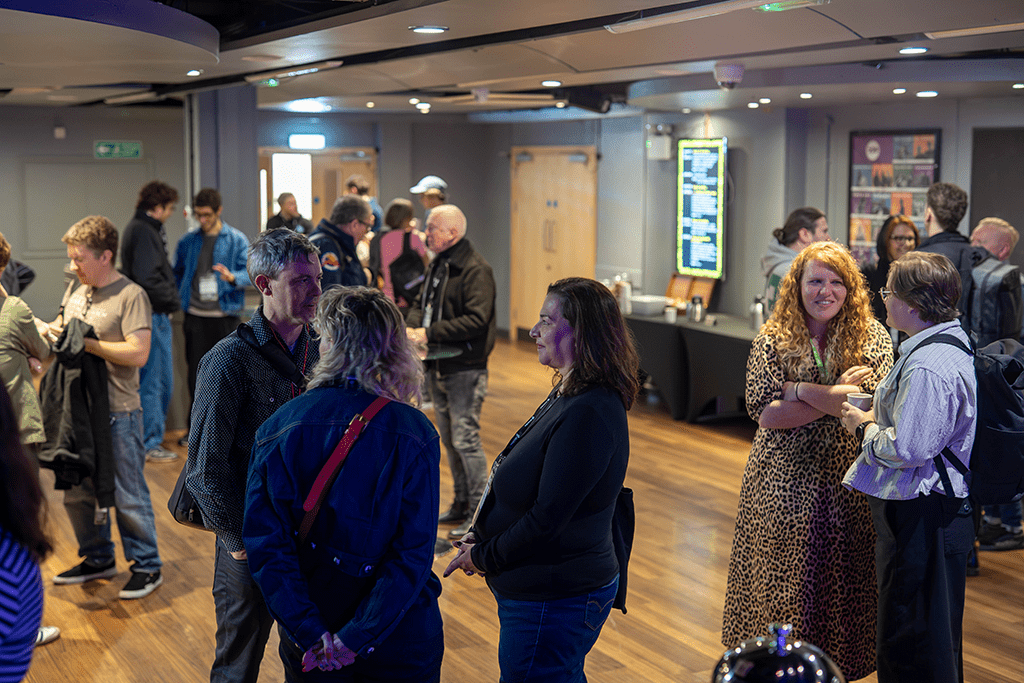
This also creates opportunities for those spontaneous moments that aren’t always possible online — a conversation during a coffee break, an idea shared across a table, or a discussion that continues after the formal session has finished.
Creating a Space for Collaboration
The environment you choose can have a significant impact on how a workshop feels.
A traditional boardroom layout might work well for a presentation, but a collaborative workshop may benefit from smaller tables, flexible seating or open spaces where attendees can move around and work together.
Think about what participants will actually be doing throughout the day. Will they need space for group activities? Areas for discussion? Access to technology? Or somewhere comfortable to take a break?
The best workshop venues are designed around the experience rather than simply providing a room.
Don’t Underestimate the Importance of a Break
Learning for several hours without a proper break can quickly lead to tired attendees and reduced engagement.
Refreshments and catering therefore play an important role in the workshop experience. Coffee breaks give participants an opportunity to step away from the session, recharge and continue conversations informally.
For longer workshops, providing lunch can also create valuable networking opportunities. Sitting down together for a meal can encourage conversations between people who may not otherwise have the chance to interact.

The small details can make a significant difference to how attendees experience the day. Photo by simbiothy.
Technology Still Has a Role to Play
The return of in-person learning doesn’t mean leaving virtual learning behind.
Many organisations now use a combination of in-person and digital learning, creating opportunities for workshops to incorporate technology and remote participation where appropriate.
Good audiovisual facilities can help presenters share presentations, videos and interactive content, while hybrid technology can allow remote participants to join parts of a session.
The key is ensuring technology supports the workshop rather than becoming a distraction.
Making Learning Memorable
Perhaps one of the biggest reasons for the return of in-person workshops is simple: people remember experiences.
A dedicated venue, an engaging facilitator, collaborative activities and opportunities to meet other people can turn a training session into something attendees genuinely remember.
For organisations, this can also help reinforce learning. When participants are actively involved rather than simply watching a presentation, they have more opportunities to discuss, practise and apply what they have learned.
Choosing the Right Venue for Your Workshop
When planning an in-person workshop, think beyond the number of seats a room can accommodate.
Consider:
- Room layout: Can the space be arranged to encourage collaboration?
- Technology: Does the venue have the AV equipment and Wi-Fi your workshop requires?
- Catering: Are refreshments and lunch available throughout the day?
- Accessibility: Can all participants comfortably access and navigate the venue?
- Location: Is it easy for attendees to reach using public transport?
- Breakout space: Are there areas where smaller groups can work or have informal conversations?
- Atmosphere: Does the environment feel appropriate for learning, creativity and collaboration?

A well-chosen venue can help facilitators deliver their sessions effectively while giving attendees an environment where they can focus, participate, and connect. Photo by WBMUL.
Bringing People Back Together
The rise of online learning has changed the way organisations approach training and professional development. But it has also highlighted what can be lost when every interaction happens through a screen.
In-person workshops offer an opportunity to bring people back together — to learn collaboratively, exchange ideas and build relationships face-to-face.
Whether you’re planning a professional development session, team workshop, training day or creative learning experience, the right venue can help transform your workshop from another item in the calendar into an experience your attendees will remember.
Planning your next workshop? Explore the flexible spaces, catering and facilities available at ISH Venues and find a setting designed to bring your people together.
Have you also read these articles?
Event Fatigue: How to Create Events People Actually Want to Attend
The Evolution of Networking: What Attendees Expect in 2026