



09 Jun Event Fatigue: How to Create Events People Actually Want to Attend
From conferences and networking sessions to workshops and corporate celebrations, event calendars are more crowded than ever. While having plenty of choice sounds positive, it has also created a new challenge for organisers: event fatigue.
Today’s attendees are more selective about where they spend their time. With busy schedules, endless invitations, and virtual alternatives competing for attention, simply hosting an event is no longer enough. People want experiences that feel worthwhile, engaging, and relevant to their needs.
So how can organisers cut through the noise and create events people are genuinely excited to attend?
What Is Event Fatigue?
Event fatigue occurs when people feel overwhelmed by the number of events available to them. Rather than saying yes to every invitation, attendees become more selective and begin prioritising experiences that offer clear value.
This is particularly noticeable in industries where conferences, networking events, and professional development sessions have become regular occurrences. Attendees are asking themselves a simple question before registering:
“Is this worth my time?”
If the answer isn’t immediately obvious, they are more likely to decline or choose another event instead.
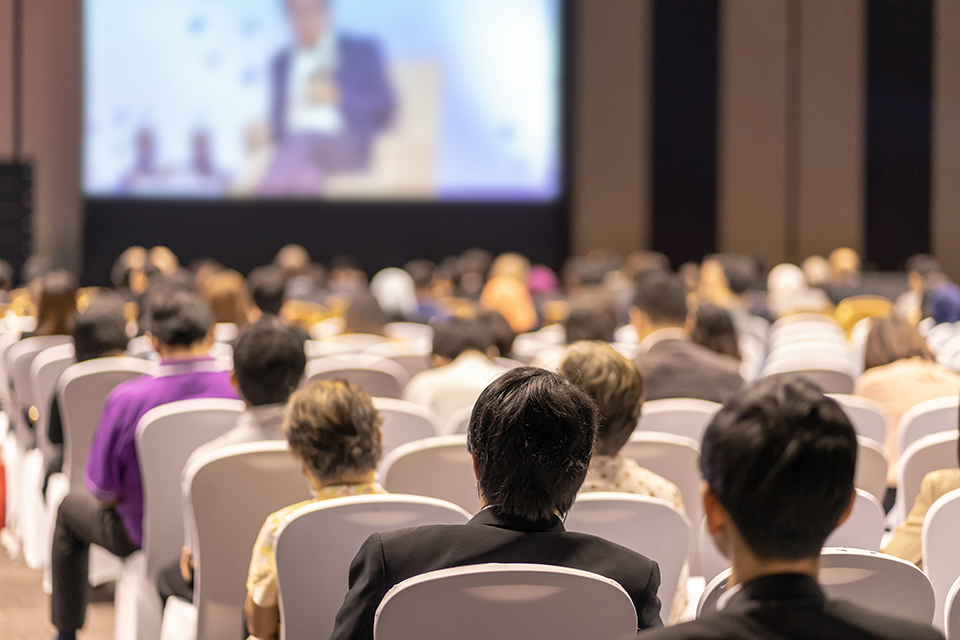
As attendees become more selective about where they spend their time, understanding how to overcome event fatigue is essential for event planners looking to boost engagement, increase attendance, and create memorable experiences. Photo by thananit_s.
Focus on Quality Over Quantity
One of the biggest mistakes organisers make is trying to pack too much into an event.
An agenda filled with back-to-back sessions may look impressive on paper, but it can leave attendees feeling exhausted rather than inspired. Instead, focus on delivering fewer, more meaningful experiences.
Whether it’s a conference, training day, or networking event, prioritising quality content and giving attendees time to absorb information often leads to a more positive experience.
Sometimes less really is more.
Give Attendees a Reason to Attend in Person
With webinars, livestreams, and online content readily available, in-person events need to offer something unique.
Attendees are increasingly looking for experiences they can’t replicate from behind a screen. This could include:
- Meaningful networking opportunities
- Interactive workshops
- Hands-on demonstrations
- Panel discussions with audience participation
- Exclusive speakers or content
The most successful events create opportunities for genuine connection and engagement rather than simply delivering information.

Attending in person allows attendees to build genuine relationships through spontaneous conversations, shared experiences, and face-to-face interactions that are often difficult to replicate online. Photo by ckstockphoto.
Make Networking Feel Natural
For many attendees, networking is one of the main reasons for attending an event. However, traditional networking sessions can often feel awkward or intimidating.
Instead of leaving attendees to mingle aimlessly, consider creating structured opportunities for conversation. Icebreakers, facilitated discussions, small-group activities, and dedicated networking breaks can help attendees connect more comfortably.
When people leave an event having made valuable connections, they’re far more likely to view the experience as a success.
Consider the Attendee Journey
A great event experience starts long before guests arrive at the venue.
Every interaction contributes to an attendee’s overall impression, from registration and event communications to arrival, wayfinding, and post-event follow-up.
Ask yourself:
- Is registration simple?
- Are event details easy to access?
- Do attendees know what to expect?
- Is the event schedule clear?
- Are there opportunities for feedback afterward?
By thinking about the entire attendee journey, organisers can identify opportunities to improve the experience at every stage.
Build in Time to Recharge
One common cause of event fatigue is information overload.
Attendees need time to process what they’ve learned, hold conversations, and recharge throughout the day. Scheduling regular breaks can improve engagement and help maintain energy levels.
Simple additions such as comfortable breakout spaces, refreshments, or informal networking areas can make a significant difference to the overall experience.
An attendee who feels refreshed is more likely to remain engaged throughout the event.

Providing refreshments such as coffee and tea helps attendees stay energised, encourages informal networking, and creates natural opportunities for people to take a break and recharge throughout the event. Photo by dolgachov.
Create a Sense of Purpose
People are increasingly selective about where they spend their time. Events that communicate a clear purpose are often the ones that attract the most engaged audiences.
Before planning your next event, consider what attendees should gain from attending. Will they learn something new? Build valuable connections? Develop skills? Gain inspiration?
When the purpose is clear, it becomes easier to shape content, marketing messages, and the overall attendee experience around that goal.
Gather Feedback and Adapt
Attendee expectations continue to evolve, which means event organisers must be willing to adapt.
Post-event surveys, informal conversations, and engagement metrics can provide valuable insights into what worked well and where improvements can be made.
Listening to attendee feedback not only helps improve future events but also demonstrates that organisers value their audience’s experience.
Creating Events Worth Saying Yes To
In a world where people are constantly being invited to new events, standing out requires more than a packed agenda or impressive speaker lineup.
The most successful events understand what attendees truly value: meaningful connections, engaging experiences, relevant content, and a clear return on their time investment.
By focusing on quality, purpose, and attendee experience, organisers can move beyond event fatigue and create experiences that people are genuinely excited to attend.
Have you also read these articles?
How to Design Effective Small Meetings
How Hybrid and Immersive Events Transform Guests Experience